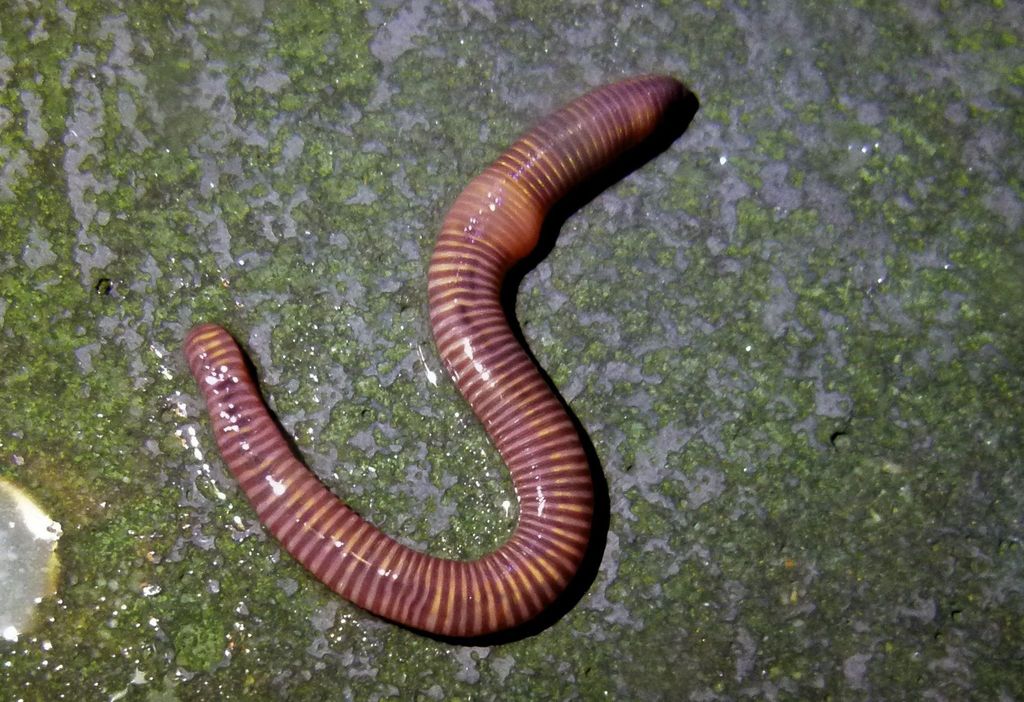
Red Wiggler Worm

Red Wiggler Worm

Eisenia fetida
$25-40 per 1000
Price
1-2 years typically, up to 5 years in optimal conditions
Lifespan
Beginner
Difficulty
Check availability & prices
View suppliers & Amazon options

About this species

Red Wiggler Worms are the world's most popular composting worms, easily recognizable by their reddish-brown color with yellow banding. Native to Europe, these surface-dwelling worms thrive in decaying organic matter rather than soil, making them perfect for indoor and outdoor vermicomposting systems. Growing 2-4 inches long with a prominent clitellum (saddle) about one-third down their body, they're incredibly efficient decomposers that can consume up to half their body weight daily under ideal conditions.

These hardy worms are hermaphrodites, meaning each worm has both male and female reproductive organs, though they still need a partner to reproduce. In optimal conditions, they can double their population every 90 days, with eggs hatching in about two weeks and young worms reaching maturity in just three months. Their remarkable adaptability to various temperatures and conditions has made them the go-to choice for both beginners and experienced vermicomposters.

People buy Red Wigglers primarily for composting kitchen scraps and organic waste into nutrient-rich worm castings, often called "black gold" by gardeners. They're also popular as fishing bait for smaller fish and as a protein source for chickens and reptiles. Unlike deep-burrowing earthworms, Red Wigglers stay in the top few inches of bedding, making them easy to manage and harvest.

Care requirements

Temperature
55-77 (ideal: 71-77)°F
Humidity
70-90%
Enclosure
Plastic or wooden bin with ventilation holes and drainage
Size
1 sq ft per pound of food waste weekly, 12-18 inches deep
Substrate
Shredded newspaper, cardboard, coconut coir, or peat moss, moistened to wrung-out sponge consistency
Diet
Vegetable and fruit scraps (non-citrus), coffee grounds, tea bags, crushed eggshells. Feed 1/4 to 1/2 their weight every 3-4 days. Avoid meat, dairy, oils, citrus, onions, and cooked foods
Water
Mist as needed to maintain moisture like a wrung-out sponge. Use dechlorinated water only - let tap water sit 24 hours before use
Important notes
Can survive 40-90°F but prolonged exposure above 90°F is fatal. Cocoons can survive freezing. Will escape if conditions are poor. Don't overfeed - wait until previous food is consumed. Always bury food under bedding to prevent odors and flies

Did you know?

The 'fetida' in their scientific name refers to a foul-smelling secretion they can produce to deter predators, though most keepers never notice it
Eight worms can produce 1,500 adults in just six months under ideal conditions
Their cocoons are incredibly hardy and can survive extreme temperatures that would kill adult worms

Common questions

How many worms should I start with?
Start with 500-1000 worms (1/2 to 1 pound) for a typical household bin. They'll multiply quickly if conditions are right.
Can I leave my worms while on vacation?
Yes! Feed them before leaving and they'll be fine for up to a month, as they can eat their bedding if needed.
Why are my worms trying to escape?
Escaping worms indicate poor conditions - usually too wet, too dry, too hot, or overfeeding. Check moisture and temperature first.
Can I use regular earthworms instead?
No, garden earthworms and nightcrawlers need different conditions. Only use Eisenia fetida or closely related composting species.

Related species