About this species
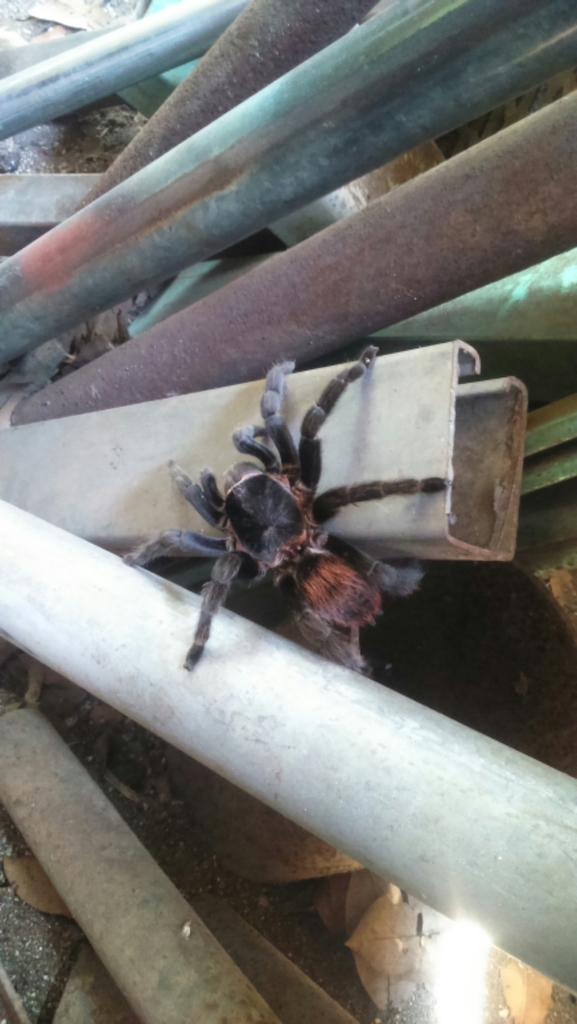
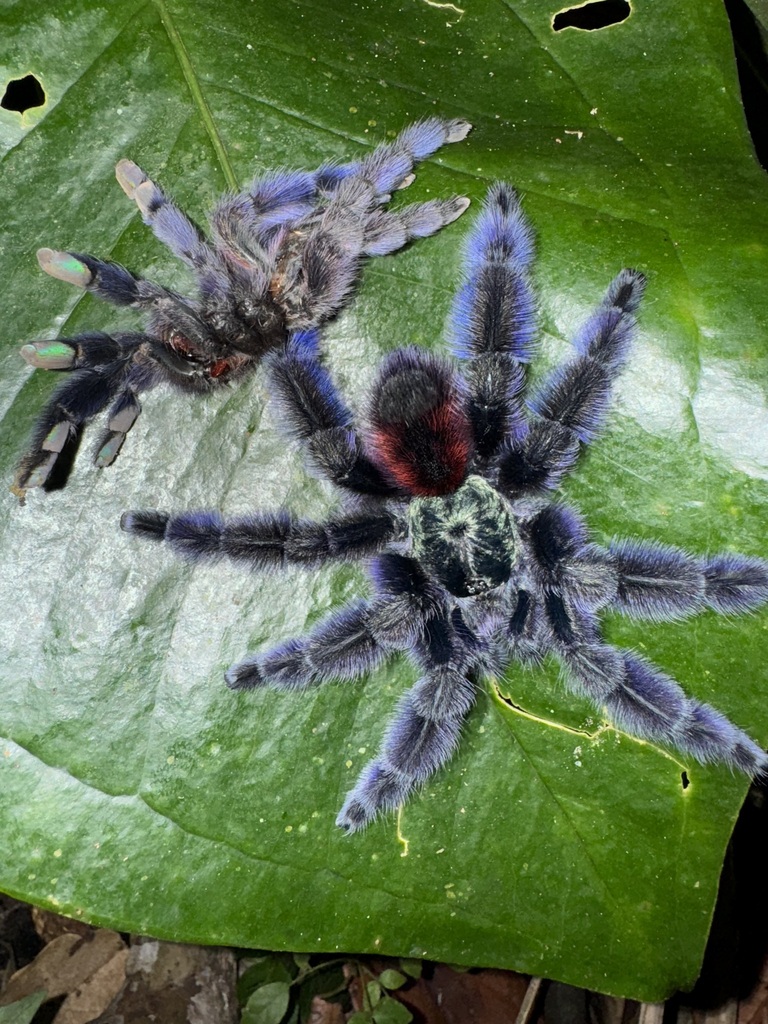
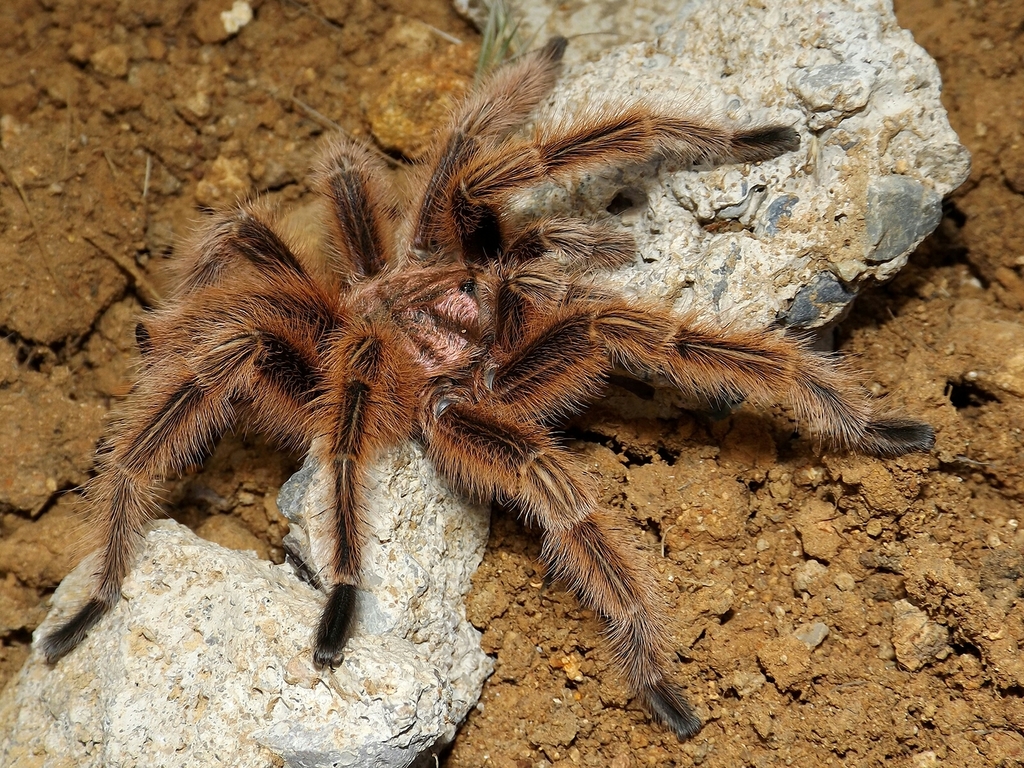
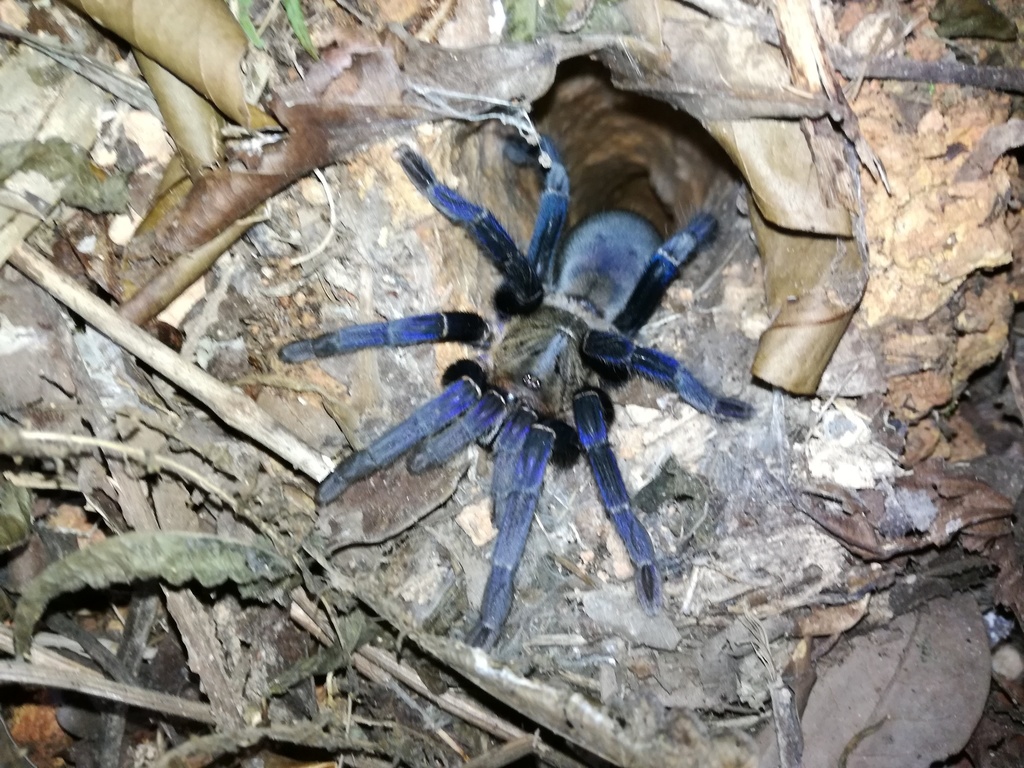
The Mexican Red Rump Tarantula is a stunning New World species that captures hearts with its velvety black body contrasted by vibrant red hairs on its abdomen. Native to the Yucatan Peninsula and surrounding regions of Mexico, Guatemala, and Belize, this terrestrial tarantula has even established populations in Florida. Adults typically reach 5-6 inches in leg span, with females being notably stockier than males.
This opportunistic burrower is known for its generally docile temperament as an adult, though juveniles can be skittish and quick to retreat. They're voracious eaters with impressive appetites, making feeding time an exciting display as they pounce on prey. While they possess urticating hairs and may flick them when disturbed, they rarely resort to biting.
People buy Mexican Red Rumps for their striking appearance, hardy nature, and relative ease of care. They make excellent display tarantulas since adults often remain visible rather than constantly hiding. Their long lifespan (females can live 20+ years) and forgiving care requirements make them perfect for beginners ready to commit to a long-term arachnid companion.
Did you know?
Established non-native populations in St. Lucie County, Florida since 1996, likely from released pets
The venom peptide GsMtx-4 from this species is being researched for treating cardiac arrhythmia and muscular dystrophy
Can catch multiple prey items at once - one keeper reported their tarantula grabbing 4 crickets simultaneously in its chelicerae
Common questions
Are Mexican Red Rumps good for beginners?
Yes! They're hardy, generally docile as adults, and forgiving of minor husbandry mistakes. Just be prepared for their tendency to flick urticating hairs when disturbed.
How often should I feed my Mexican Red Rump?
Adults eat once weekly, juveniles every 3-5 days, and spiderlings every 2-3 days. They're enthusiastic eaters but resist the urge to overfeed - one appropriate-sized meal per feeding is plenty.
Do they need special heating?
Usually not - room temperature (70-75°F) works well. Only use supplemental heat if your room drops below 70°F, and never let temperatures exceed 85°F.
Why is my tarantula's scientific name different on some websites?
The species was reclassified from Brachypelma vagans to Tliltocatl vagans. Both names refer to the same spider, but Tliltocatl is the current accepted genus.