Mexican Red Knee Tarantula

Mexican Red Knee Tarantula

Brachypelma hamorii
$36
Price
Females 20-30+ years; Males 5-10 years
Lifespan
Beginner
Difficulty
Check availability & prices
In stock at 3 verified breeders

About this species

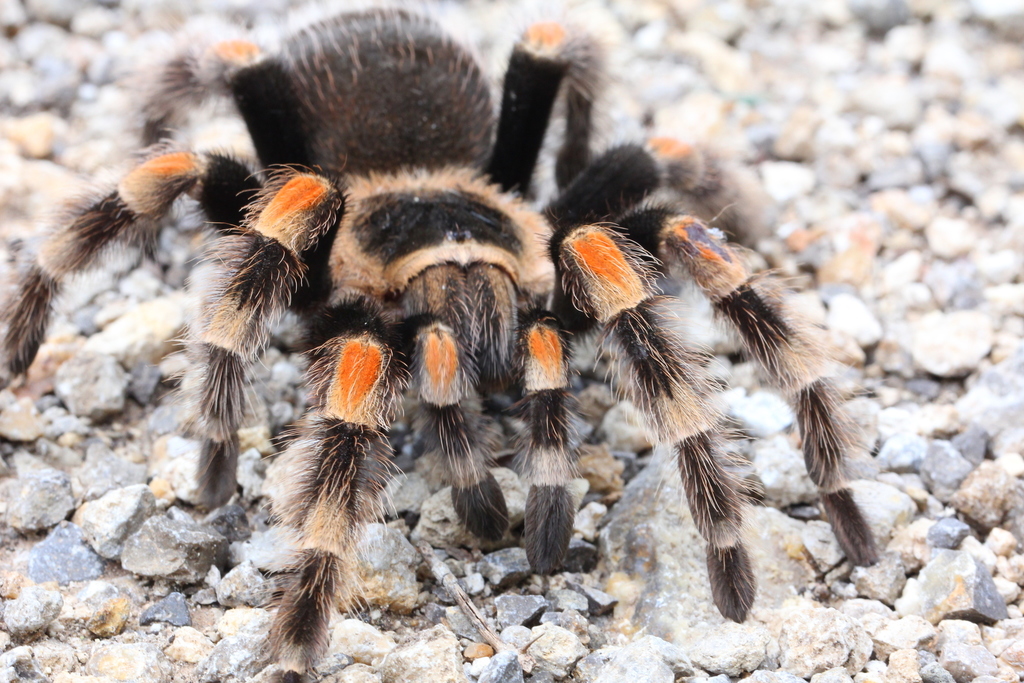
The Mexican Red Knee Tarantula is arguably the most iconic tarantula in the pet trade, recognized for its striking black body with vibrant orange-red patches on its leg segments (the "knees"). Native to the scrublands and dry forests of western Mexico, this species has become a hobbyist favorite thanks to its docile nature, impressive size (5-6 inch leg span), and remarkable longevity. Featured in movies like Indiana Jones and countless documentaries, these tarantulas have introduced more people to arachnid keeping than perhaps any other species.

Despite their intimidating appearance, Mexican Red Knees are known for their calm temperament and tolerance of occasional handling, though they can be skittish and will flick urticating hairs when startled. What makes them particularly appealing to buyers is their combination of beauty, hardiness, and beginner-friendly care requirements. They spend much of their time visible in their enclosures rather than hiding, making them excellent display animals that can become treasured family pets for decades.

As a CITES-protected species due to past overcollection, it's crucial to purchase captive-bred specimens from reputable dealers. These long-lived tarantulas are an investment in a pet that, especially for females, may outlive their owners with proper care. Their slow growth rate means patience is required, but watching them develop from tiny spiderlings into impressive adults is part of the rewarding experience of keeping this classic species.
Care requirements

Temperature
70-80°F
Humidity
50-70%
Enclosure
Terrestrial setup with good ventilation and secure lid
Size
Minimum 10 gallon (20"L x 10"W x 10"H) for adults; spiderlings in smaller containers scaled to 3-4x leg span
Substrate
4+ inches of moisture-retaining substrate (coco fiber, peat moss, or mix) for burrowing
Diet
Live insects (crickets, roaches, mealworms) appropriate to spider's size; adults eat 1-2 times weekly, spiderlings more frequently
Water
Shallow water dish always available; lightly mist one side of enclosure occasionally, allowing it to dry between mistings
Important notes
Never feed during molting or for 5-10 days after. Remove uneaten prey within 24 hours as crickets can harm molting tarantulas. Provide hide or starter burrow. These spiders flick urticating hairs readily when disturbed - handle with care. Falls from even a few inches can be fatal due to their heavy build. Keep substrate depth high to cushion any falls.

Did you know?

This species was featured in Indiana Jones: Temple of Doom and has appeared in more movies than any other tarantula species
They were originally classified as B. smithi but were reclassified as B. hamorii after genetic studies revealed they were a separate species
Despite being called 'Red Knee,' the orange coloration can fade slightly with age, though the striking contrast remains throughout their lives

Common questions

Are Mexican Red Knee Tarantulas good for beginners?
Yes! They're considered one of the best beginner tarantulas due to their docile nature, hardiness, and forgiving care requirements. They're also more visible than many species, spending time in the open rather than always hiding.
How often do they need to eat?
Adults typically eat once or twice per week, while growing spiderlings may eat every few days. They often fast for 2-3 weeks before molting, which is completely normal.
Can I handle my Mexican Red Knee?
While they tolerate handling better than most tarantulas, it should be done sparingly and carefully. They can flick irritating hairs when stressed and may bolt suddenly. Always handle over a soft surface as falls can be fatal.
Why is my tarantula on its back?
Don't panic! This is the molting position. Never disturb a molting tarantula and ensure no live prey is in the enclosure. The process can take several hours, and they'll be vulnerable for days afterward.

Related species