Curly Hair Tarantula

Curly Hair Tarantula

Tliltocatl albopilosus
$17.99
Price
Females: 20-25 years; Males: 5-7 years
Lifespan
Beginner
Difficulty
Check availability & prices
In stock at 3 verified breeders

About this species

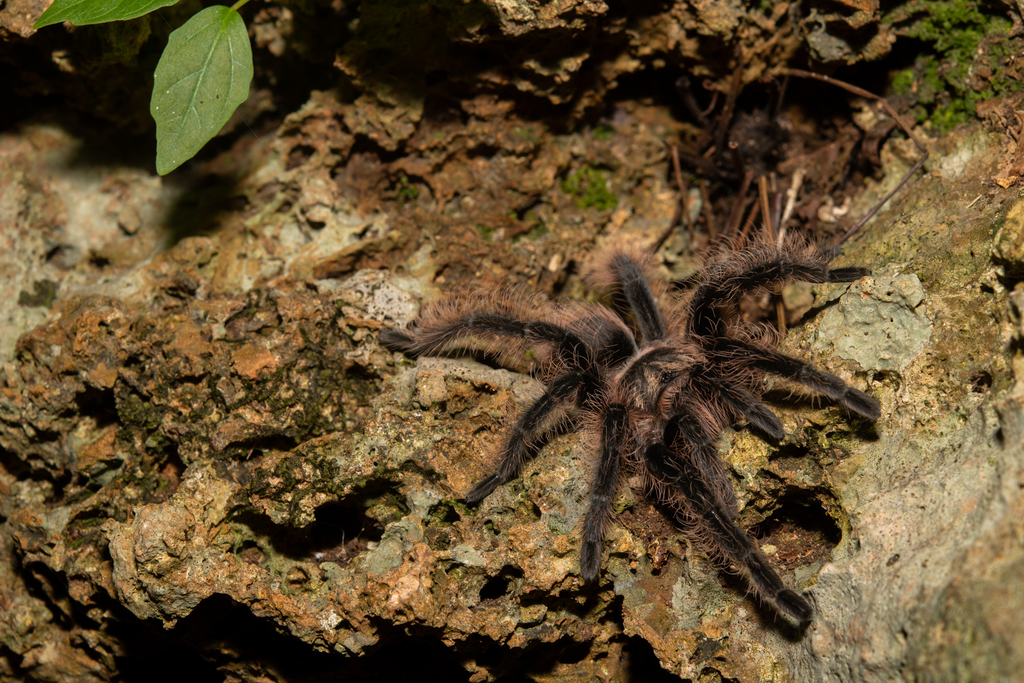
The Curly Hair Tarantula is one of the most beloved beginner tarantulas in the hobby, famous for its distinctive fluffy appearance created by long, curly setae (hairs) covering its chocolate-brown to black body. Native to the tropical rainforests of Honduras, Nicaragua, and Costa Rica, these ground-dwelling spiders are often found near riverbanks and tree bases. Their calm, docile nature and forgiving care requirements make them an ideal first tarantula for newcomers to the hobby.

What sets the Curly Hair apart is its remarkably tolerant temperament – they rarely show defensive behavior, seldom kick urticating hairs, and are known to sit peacefully on display rather than hiding. While spiderlings may be more skittish and prone to burrowing, adults become impressively calm and visible pets. There are two recognized forms in the hobby: the Honduran (darker with golden hairs) and the Nicaraguan (lighter with whiter hairs), though both require identical care.

People buy Curly Hair Tarantulas because they offer the perfect introduction to tarantula keeping. They're hardy enough to forgive beginner mistakes, affordable (with captive-bred specimens readily available), and their gentle nature makes them one of the few tarantulas that tolerate occasional handling. Their long lifespan – females can live 20-25 years – means you're investing in a long-term companion that will grow more docile and impressive with age.
Care requirements

Temperature
68-85°F
Humidity
60-85%
Enclosure
Terrestrial setup with secure lid (avoid mesh), horizontal floor space more important than height
Size
Adult: 20"L x 10"W x 10"H minimum (10-gallon tank equivalent); Slings: 4x their legspan
Substrate
4-5+ inches of moisture-retaining substrate like coco fiber, peat moss, or Terra Aranea; fill enclosure halfway to allow burrowing and prevent fall injuries
Diet
Slings: flightless fruit flies or pinhead crickets every 2-3 days. Juveniles: 2-3 small crickets or small roaches every 4-7 days. Adults: 4-5 large crickets or 1 large dubia roach every 1-3 weeks. Prey size should not exceed spider's abdomen. Remove uneaten food after 24 hours.
Water
Overflow water dish monthly or mist one corner to keep bottom substrate layers moist while top stays dry. Slings under 2" get water from misting only. Adults need shallow water dish changed daily.
Important notes
Wait 5-10 days after molting before feeding (fangs must be black). Monitor abdomen size - if wider than carapace, reduce feeding. Never use heat mats on bottom of enclosure. Replace mesh lids with acrylic to prevent foot entrapment. This species is an opportunistic burrower but adults often stay visible.

Did you know?

They can cling to the smooth sides of glass aquariums despite their terrestrial nature
Known to 'redecorate' their enclosures by moving substrate and decorations to their liking
The species was reclassified from Brachypelma to Tliltocatl in 2019, though many sources still use the old name

Common questions

Are Curly Hair Tarantulas good for handling?
Yes, they're one of the most handleable tarantula species. They're slow-moving, rarely defensive, and seldom kick hairs or bite. However, limit handling to once or twice weekly and always handle over a soft surface like a bed.
Do they need special heating?
Usually no - they thrive at normal room temperatures (68-76°F). If needed, use a heat mat on the side (never bottom) of the enclosure with a thermostat. Avoid heat lamps entirely.
How often do they molt?
Spiderlings molt frequently (every few months), while adults molt about once a year. Males typically stop molting after reaching maturity. Remove feeders and keep humidity up during molting.
What's the difference between Honduran and Nicaraguan forms?
Honduran forms are darker with golden-brown hairs, while Nicaraguan forms have lighter coloration with whiter hairs. Care requirements are identical, but Nicaraguan is considered the 'pure' bloodline.

Related species