Chilean Rose Tarantula

Chilean Rose Tarantula

Grammostola rosea
$37.99
Price
Females: 20-30 years, Males: 4-7 years
Lifespan
Beginner
Difficulty
Check availability & prices
In stock at 4 verified breeders

About this species

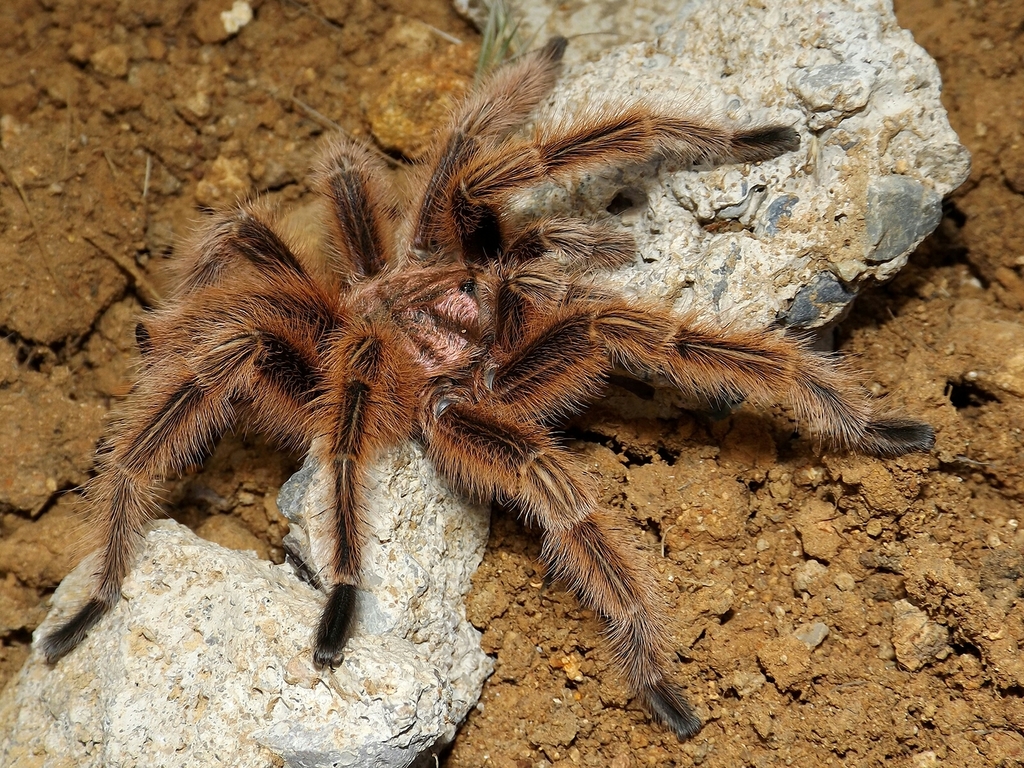
The Chilean Rose Tarantula is one of the most popular pet tarantulas worldwide, known for its docile temperament and striking appearance. Native to the desert and scrubland regions of Chile, Bolivia, and Argentina, this hardy species features a medium-brown body with distinctive rose-colored or pinkish hairs on its carapace and legs. Adult females typically reach a 5-inch leg span with bodies around 2.5-3 inches, while males are slightly smaller. Their calm, slow-moving nature and tolerance for handling have made them the classic "beginner tarantula," though individuals can display unpredictable mood swings and may occasionally become defensive.

What makes the Chilean Rose particularly appealing to first-time tarantula owners is their incredible hardiness and forgiving nature when it comes to care mistakes. They're known for their extremely long lifespans—females can live 20-30 years in captivity, while males typically live 4-7 years. These opportunistic burrowers are less active diggers than many other species, preferring to use existing hides rather than creating elaborate burrows. One of their most notable behaviors is their tendency to fast for extended periods, sometimes refusing food for months while remaining perfectly healthy.

Buyers are drawn to Chilean Rose Tarantulas for their combination of beauty, docility, and ease of care. They tolerate a wide range of temperatures and humidity levels, making them ideal for beginners who might not have perfected their husbandry skills yet. Their relatively affordable price point and wide availability also make them accessible to those wanting to try tarantula keeping without a huge investment. However, potential owners should be prepared for their notoriously erratic feeding habits and occasional temperament changes, which can frustrate keepers expecting consistent behavior.
Care requirements

Temperature
65-80°F
Humidity
40-65%
Enclosure
Terrestrial setup with secure ventilated lid, glass or acrylic terrarium preferred
Size
10 gallon minimum for adults (20"L x 10"W x 10"H), height under 12" to prevent fall injuries
Substrate
2-4 inches of coconut fiber, peat moss, or potting soil mix for burrowing
Diet
Crickets, dubia roaches, mealworms. Slings: pinhead crickets or fruit flies every 3-5 days. Juveniles: 1-2 appropriately sized feeders every 5-7 days. Adults: 3-5 insects every 10-14 days or even less frequently
Water
Shallow water dish always available. Light misting of one corner every 1-2 weeks, but keep mostly dry. Never spray the spider directly
Important notes
Known for extreme fasting periods lasting weeks to months—this is normal if abdomen remains plump. Wait 7-10 days after molting before feeding. Can have unpredictable temperament changes. Avoid tap water unless dechlorinated. Keep substrate mostly dry to prevent mold

Did you know?

Chilean Rose Tarantulas can fast for over a year while remaining perfectly healthy—the record documented fasting period is 18+ months
Despite their docile reputation, each individual has its own personality—some are friendly while others can be defensive, earning them the nickname of having 'mood swings'
Wild populations were heavily collected for the pet trade until Chile banned exports, making captive breeding programs essential for maintaining hobby populations

Common questions

Why won't my Chilean Rose Tarantula eat?
This species is notorious for fasting periods that can last months. As long as the abdomen looks plump and they have water, don't worry. They may be preparing to molt or just not hungry.
Can I handle my Chilean Rose Tarantula?
While generally docile, handling should be minimal and done close to the ground. Some individuals tolerate it well, others may flick urticating hairs or bolt unexpectedly.
Do I need a heat mat for my Chilean Rose?
Usually not necessary if your room temperature is 65-75°F. If needed, attach a heat mat to the side (not bottom) of the enclosure with a thermostat.
How often should I change the substrate?
Spot clean weekly to remove uneaten food and waste. Complete substrate changes every 4-6 months, or sooner if you notice mold or mites.

Related species