Spiny Flower Mantis

Spiny Flower Mantis

Pseudocreobotra wahlbergii
$35
Price
<cite index="12-1,12-6">10 to 14 months</cite> average, with <cite index="16-1">1 year (males) – 1.5 years (females)</cite>
Lifespan
<cite index="7-3,19-1">Beginner</cite> to <cite index="15-1,16-1">Intermediate</cite>
Difficulty
Check availability & prices
In stock at 1 verified breeder

About this species

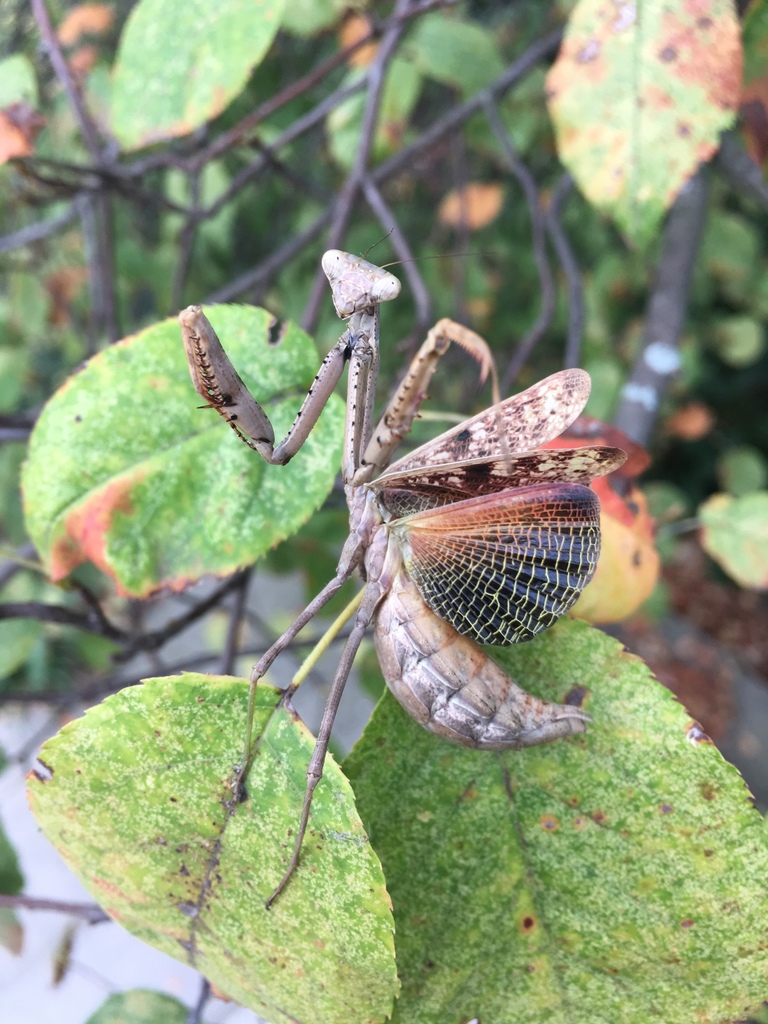
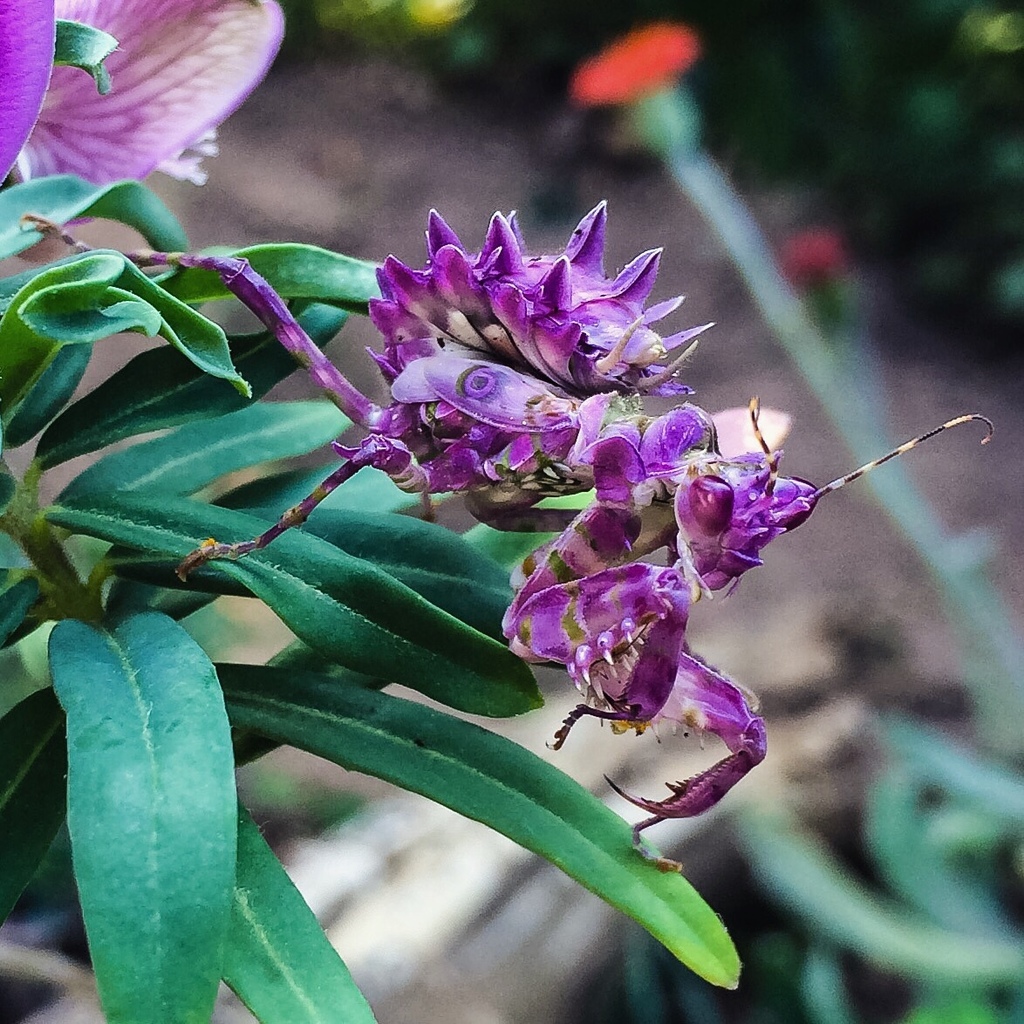
The Spiny Flower Mantis is one of the most visually striking mantis species available in the pet trade. <cite index="3-5,17-4">The spiny flower mantis is perhaps one of the most beautiful mantises in the world.</cite> Native to sub-Saharan Africa, these small but spectacular mantids are known for their elaborate coloration and dramatic threat displays. <cite index="2-24,2-25,2-26">As adults they have wings with a black and yellow 'swirl' on them, also mimicking an eye. If you threaten a spiny flower mantis, it will put its wings upwards to show the two eyes. The thinner wings that are under the top wings are bright yellow.</cite> <cite index="2-28,2-29,2-30">When the nymphs are born they are black in color. They stay blackish until L3 instar stage. After this stage they are mostly orange-pink spotted and become more and more white which each subsequent molt.</cite>

These flower mantids are excellent mimics that ambush prey while camouflaged on flowers, making them fascinating to observe. <cite index="8-4">While at rest it is well camouflaged, and is a sufficiently good aggressive mimic of a flower that prey insects can attempt to pollinate it, at which moment the mantis seizes and eats them.</cite> <cite index="3-4,17-3">The spiny flower mantis is hardy and a good choice for someone looking for an interesting, attractive mantis that is a bit more unusual than the most common species without the difficult care requirements.</cite> Their relatively easy care requirements combined with their stunning appearance make them perfect for both beginners and experienced keepers looking for something special.

Care requirements

Temperature
<cite index="1-12">80-85°F</cite> ideal, can tolerate <cite index="1-12">75°F and 87°F</cite>°F
Humidity
<cite index="1-13">40% and 60%</cite> (some sources say <cite index="4-1,4-21">60-70%</cite>)%
Enclosure
<cite index="1-10">screen or mesh cages</cite> with <cite index="4-2,4-22">very good ventilation</cite> as this species is <cite index="4-2,4-22">very prone to fungal infections</cite>
Size
<cite index="1-2,1-8">at least 3 times as tall as the mantis is long, and at least 2 times as wide as the mantis is long</cite>
Substrate
Paper towels, coconut coir, or bark - must be kept relatively dry to prevent mold
Diet
<cite index="7-16">L1-L4 should be fed fruit flies</cite>. <cite index="4-29">Start out with fruit flies for nymphs and move to small roaches, crickets, moths, mealworms, houseflies, and other flying insects for larger nymphs to adults.</cite> <cite index="4-28">This species actively prefers flying insects.</cite> Feed <cite index="7-19">every other day until it reaches subadult</cite>, then <cite index="7-20">twice a week</cite> for adults.
Water
<cite index="1-14,1-17">The enclosure should be given a light misting once a day so they can drink.</cite> <cite index="2-1,2-7">Spray about 3 times a week with clean water.</cite> <cite index="1-16">Use spring water, distilled water, or water filtered by reverse osmosis (RO), but do not use plain tap water.</cite>
Important notes
<cite index="4-2,4-22">This species is very prone to fungal infections.</cite> Ensure excellent ventilation and avoid excess humidity. <cite index="2-10">Especially the adults may do better in a dry environment than a too wet environment.</cite> <cite index="9-8">Do not keep this species below 20°C, as they are very sensitive to cold and will die if temperatures are too low for long periods.</cite> <cite index="8-6">nymphs are not cannibalistic until their fourth instar.</cite>

Did you know?

Their wings display a distinctive spiral '9' or '6' pattern that looks like a giant eye when threatened
Newly hatched nymphs are jet black with white spots, completely different from the colorful adults
They can change color slightly based on their environment, adapting to pink, yellow, or green tones after molting

Common questions

How big do Spiny Flower Mantises get?
<cite index="4-11">Females grow up to 4 cm long while males stop at 3.5 cm.</cite> <cite index="15-1">males approximately 4 cm, females about 5 cm</cite> (about 1.5-2 inches).
Can I handle my Spiny Flower Mantis?
Yes, they're generally docile and <cite index="6-19">not uncommon for Pseudocreobotra wahlbergii to follow one's finger with their head or antennae and even take food right from the hand</cite>. However, handle gently and minimally to reduce stress.
How often do they molt?
<cite index="4-41">Mantids molt about every 2 weeks as babies and the time in between each molt increases as they get older</cite>. <cite index="4-42">It takes about 7 molts for females and about 6 for males.</cite>
Why is ventilation so important for this species?
<cite index="4-2,4-22">This species is very prone to fungal infections.</cite> <cite index="11-14">well-fed adult females require good ventilation or they suffer respiratory failure.</cite> Poor ventilation can quickly lead to death.