Golden Giant Asian Mantis

Golden Giant Asian Mantis

Hierodula venosa
$19
Price
<cite index="1-24,1-27,12-4,13-4,13-17">6-12 months, typically up to a year</cite>
Lifespan
<cite index="5-6,5-28,15-5,15-12,27-3,27-10,27-11">Beginner/Easy</cite>
Difficulty
Check availability & prices
In stock at 2 verified breeders

About this species

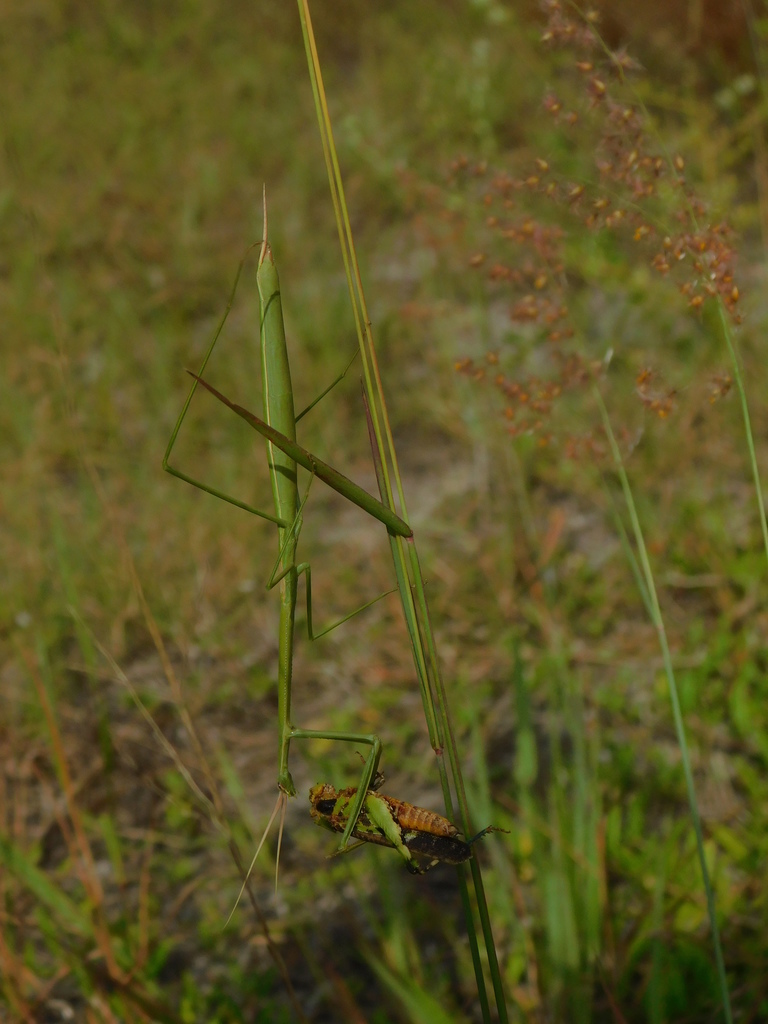
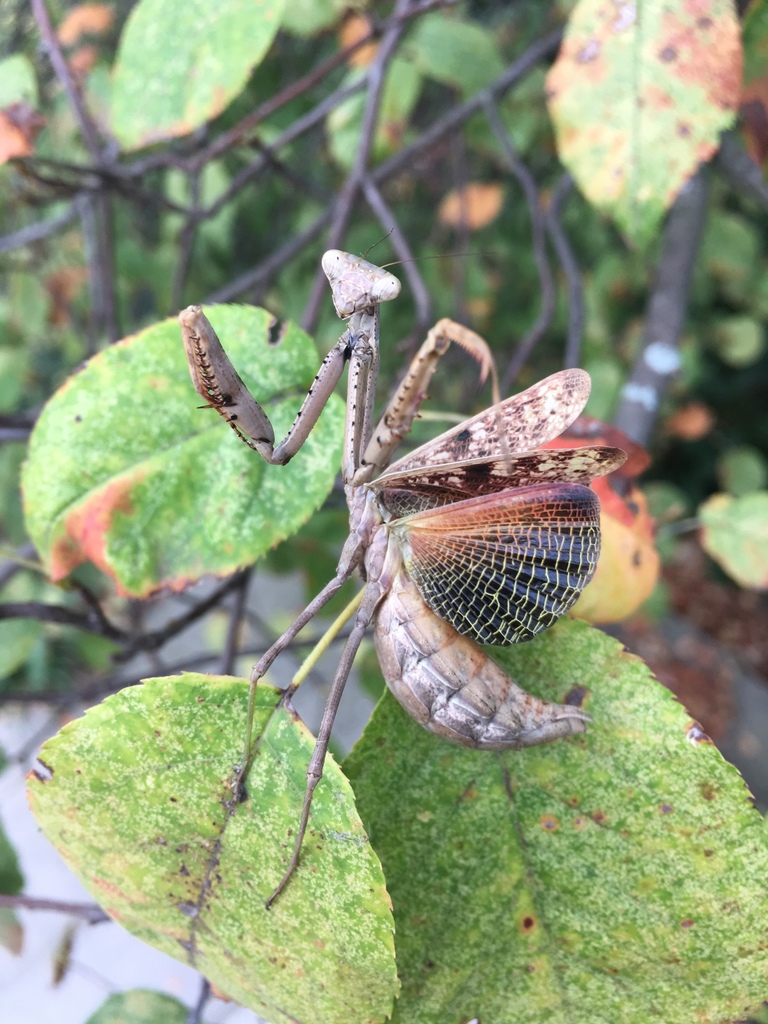
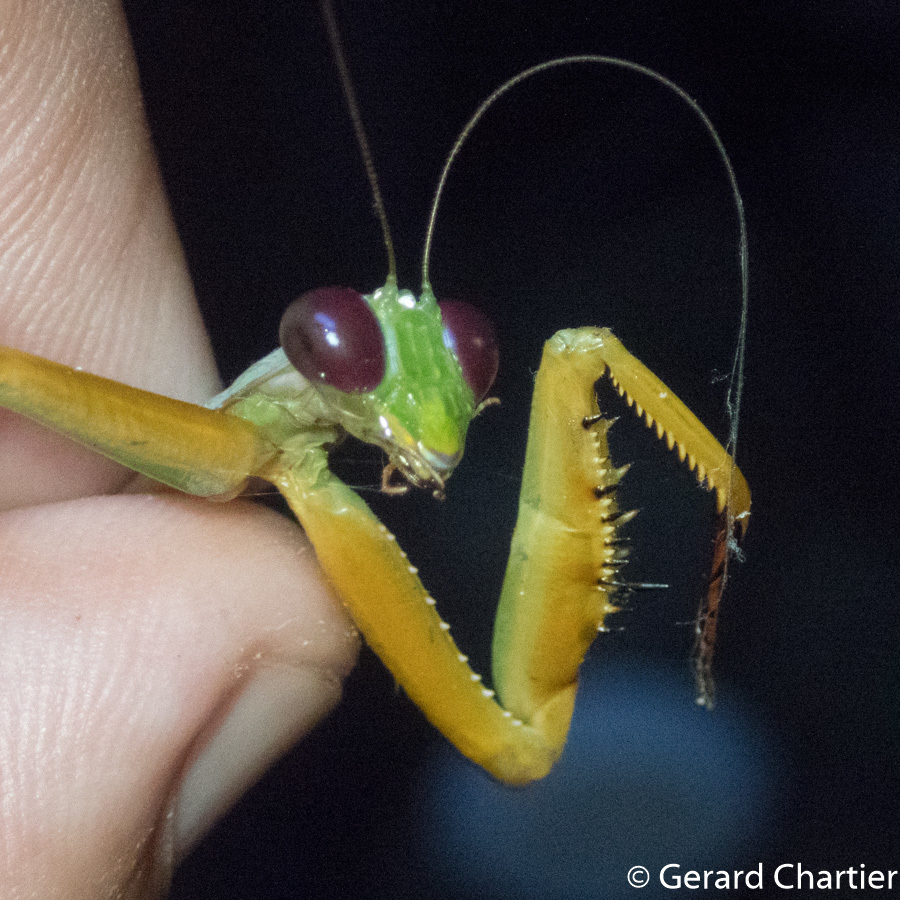
<cite index="1-3,1-4,1-17,1-18">The Golden Giant Asian Mantis is a species of large mantis native to Southeast Asian countries like Indonesia and Thailand, featuring a unique golden-brown color and growing to an impressive size of up to 4 inches</cite>. <cite index="3-10,3-16,3-17,3-19">This species is similar to other Hierodula mantises in size but distinguished by its striking golden coloration, with some specimens displaying more yellow than others as adults, and beautiful yellow accents on their underarms, legs and bellies</cite>. <cite index="1-21,1-22,1-25">They make great additions to vivariums, providing entertainment as they climb and explore while serving as interesting conversation pieces, and their striking golden appearance makes them a popular choice among insect enthusiasts</cite>.

<cite index="1-26,3-12,3-20,3-21">In the wild, these mantises are voracious ambush predators with aggressive hunting behavior, actively pursuing prey rather than sitting and waiting like many other mantis species</cite>. <cite index="1-24,1-27">They are relatively low-maintenance pets that can live up to a year, making them ideal terrarium residents</cite>. <cite index="21-10">Golden praying mantises have been reported to be quite gentle, docile, and peaceful creatures around humans and other animals</cite>, making them excellent pets for both beginners and experienced keepers.

Care requirements

Temperature
<cite index="11-1,11-11,12-1,13-13,13-26">75-85°F</cite>°F
Humidity
<cite index="11-2,11-12,12-2,13-11,13-24,15-5,15-12">40-70%</cite>%
Enclosure
<cite index="11-9,13-6,13-19,14-2">Well-ventilated terrarium or screen/mesh cage with thick twigs for perching</cite>
Size
<cite index="11-6,13-6,13-19">At least 3 times mantis length in height and 2 times in width</cite>; <cite index="15-2,15-5,15-12,27-3,27-10">minimum 30x30x40cm for adults</cite>
Substrate
<cite index="12-3,13-7,13-20">Coconut fiber, peat moss, or mix of soil and sand</cite>
Diet
<cite index="11-18,11-19,15-6,27-4,27-11">L1-L2 nymphs: Fruit flies (D. melanogaster or D. hydei); L3-L5: House flies, blue bottle flies, small cockroaches; L6-Adult: Blue bottle flies, large cockroaches</cite>. <cite index="21-1,21-14,24-17,24-18,24-19">Adults eat moths, grasshoppers, crickets, waxworms - prey should be no more than twice the mantis size</cite>. <cite index="24-22">Young nymphs fed every other day, adults every 3-4 days</cite>
Water
<cite index="11-3,11-13,13-12,13-25">Light misting once daily or 2-3 times per week</cite>. <cite index="11-14,11-15">Avoid spraying directly on mantis; use spring water, distilled, or RO water - not tap water</cite>
Important notes
<cite index="11-2,11-12,10-27">Too high humidity can kill this species - maintain good ventilation</cite>. <cite index="11-9,14-1">Very sensitive to humid conditions; 60% humidity maximum to prevent fungal growth</cite>. <cite index="5-44,10-31,10-32">Highly cannibalistic - must be housed individually</cite>. <cite index="5-4,5-26">When threatened can inflict sharp snap that can draw blood</cite>

Did you know?

<cite index="3-18,3-19">Not all specimens turn golden - some stay more green than yellow as adults, but all have distinctive yellow accents absent in regular Giant Asian mantises</cite>
<cite index="1-19,10-16,10-17">They can turn their heads to observe their surroundings and will fearlessly attack prey half their own body size</cite>
<cite index="10-40,10-41">Females can produce 5-8 oothecae (egg cases), with each containing around 200 nymphs</cite>

Common questions

Are Golden Giant Asian Mantises good for beginners?
<cite index="5-6,5-28,27-11">Yes, they make excellent beginner's mantises due to their hardiness and easy care requirements</cite>
How big do they get?
<cite index="13-5,13-18,15-4,15-5,15-10,15-11">Females can grow up to 10cm (4 inches), while males are slightly smaller at around 8-9cm (3-3.5 inches)</cite>
Can I keep multiple mantises together?
<cite index="5-44,10-31,10-32">No, this species is very cannibalistic and aggressive to each other - they must be housed individually</cite>
What makes them different from regular Giant Asian Mantises?
<cite index="3-16,3-17,3-19,4-2">Their striking golden-copper coloration sets them apart, though some stay more green with distinctive yellow accents on underarms, legs and belly</cite>

Related species