Giant Shield Mantis

Giant Shield Mantis

Rhombodera megaera
$32
Price
12-18 months
Lifespan
Intermediate
Difficulty
Check availability & prices
In stock at 1 verified breeder

About this species

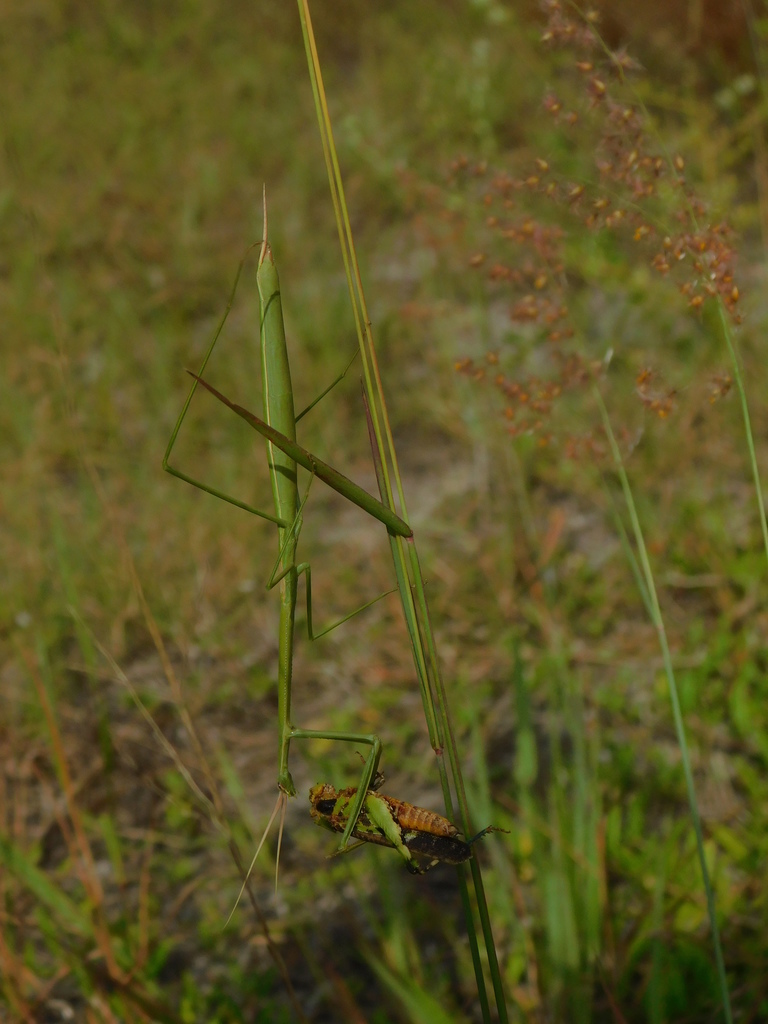
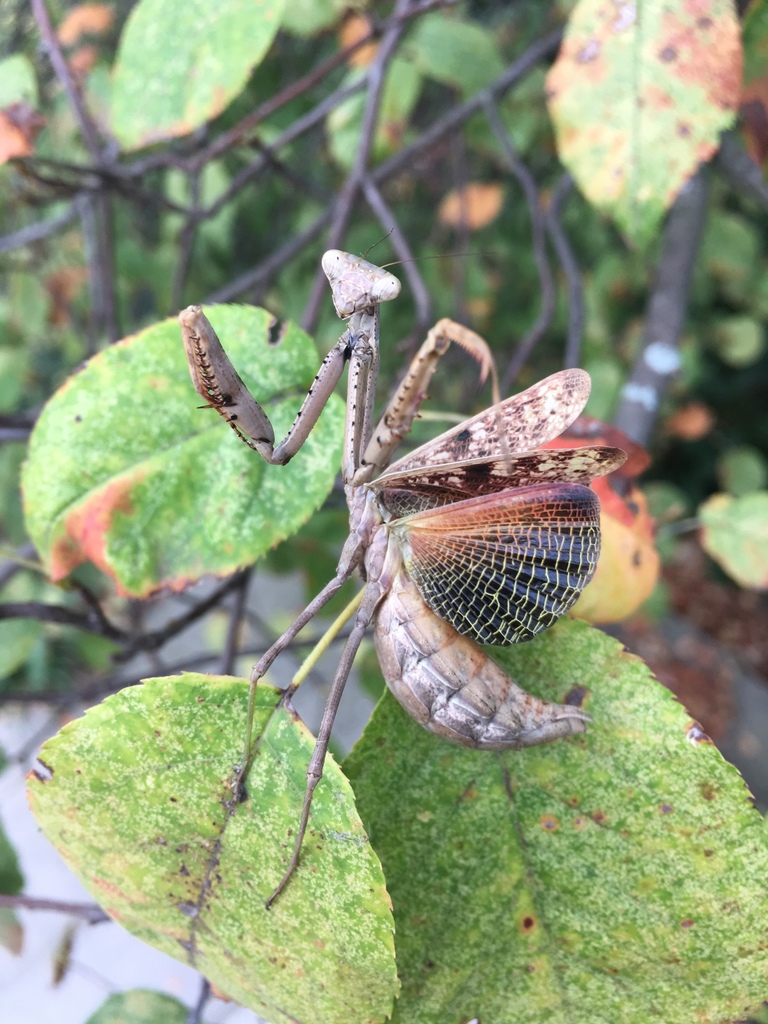
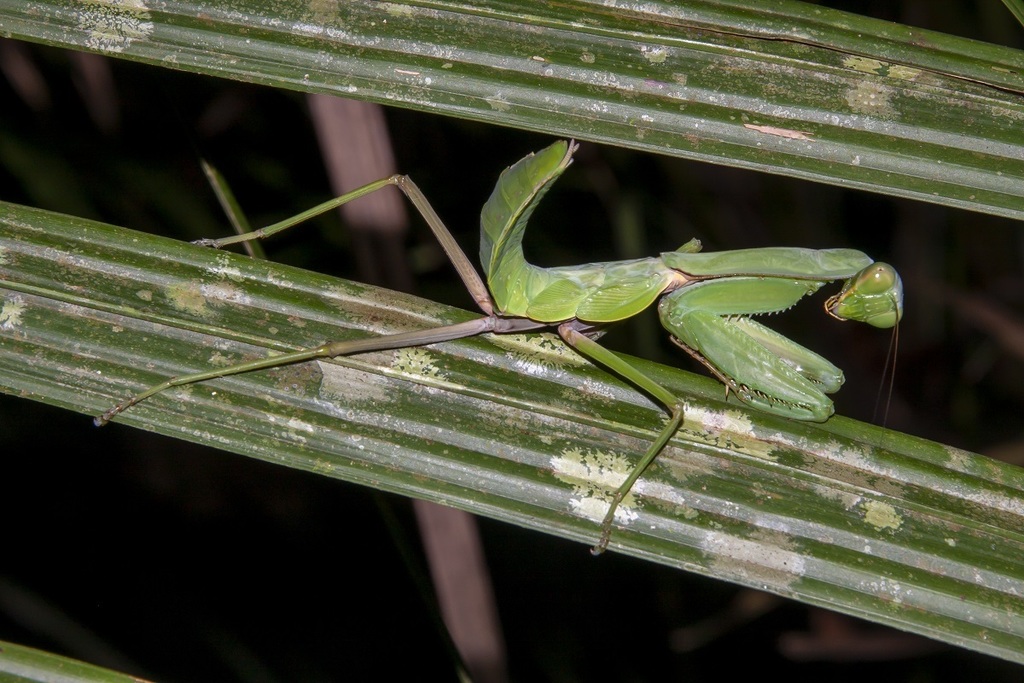
The Giant Shield Mantis is one of the most impressive Asian mantis species, known for its distinctive enlarged thorax that resembles a shield or leaf-like structure. Native to Thailand and southern China, these bright green mantises grow to substantial sizes—males reaching 3.5-4 inches and females growing up to 4.5 inches, making them among the largest shield mantises available. Their robust build, combined with their characteristic shield-shaped pronotum, gives them an immediately recognizable silhouette that stands out in any collection.

Despite their intimidating size, Giant Shield Mantises have surprisingly calm temperaments. They're less flighty and defensive than many other mantis species, making routine care and occasional handling much easier. These voracious predators will eagerly tackle prey items as large as themselves, though they have particular enthusiasm for flying insects. Their docile nature combined with their impressive appearance makes them excellent display animals.

People are drawn to Giant Shield Mantises for several reasons beyond their size. They're known for being relatively easy to keep—tolerating a range of temperatures and humidity levels that match typical household conditions. Their calm disposition makes them ideal for those who want a large, impressive mantis without the skittish behavior of some species. Additionally, they're active feeders that provide entertainment value, and their bright green coloration makes them visually striking in planted enclosures.

Care requirements

Temperature
70-85°F day, 65-75°F night°F
Humidity
60-80%%
Enclosure
Well-ventilated container with mesh top for molting grip
Size
Minimum 10x10x12 inches for adults; height 3x mantis length, width 2x mantis length
Substrate
Coconut fiber (coco coir)
Diet
L1: Melanogaster fruit flies, L2-L3: Hydei fruit flies, L4-L5: House flies and blue bottle flies, L6-Adult: Blue bottle flies, roaches, crickets. Feed 2x per week, prey size no more than 1/3 mantis length
Water
Mist lightly once daily (twice daily for mesh enclosures). Use distilled, spring, or RO water—never tap water
Important notes
Cannot be housed communally—keep separately. Watch for overfeeding (round abdomen means stop feeding for a few days). Females can be aggressive toward males during breeding. Provide branches or sticks for climbing and molting support. Good ventilation is essential to prevent mold

Did you know?

This species is sometimes called 'Stinker' in the trade due to defensive secretions when threatened
They reach adulthood after approximately 9 molts (L10 stage)
Females can lay oothecae containing over 200 eggs that hatch in 4-6 weeks

Common questions

Can Giant Shield Mantises be kept together?
No, they cannot be housed communally and will cannibalize each other if kept together. Always house them individually.
Why is proper humidity so important for this species?
As tropical mantises from Thailand, they cannot tolerate dry conditions like desert species can. Low humidity leads to molting problems and health issues.
How often should I feed my Giant Shield Mantis?
Feed twice weekly, but watch their abdomen—if it looks very round, skip feeding for a few days to prevent overfeeding which shortens lifespan.
What's the best starter size to buy?
L3-L5 nymphs are ideal—they're past the fragile early stages but still have plenty of growing to do, giving you the full experience of raising them.