Giant Asian Mantis

Giant Asian Mantis

Hierodula membranacea
$19
Price
9-12 months total (males ~9 months, females ~12 months)
Lifespan
Beginner
Difficulty
Check availability & prices
In stock at 2 verified breeders

About this species

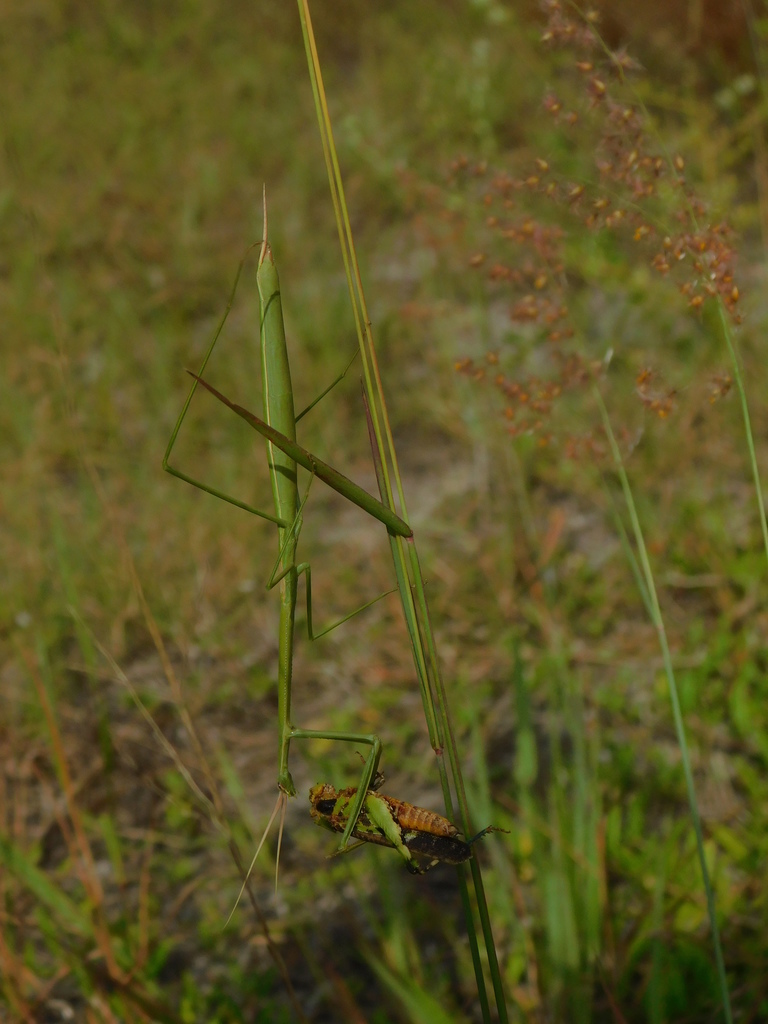
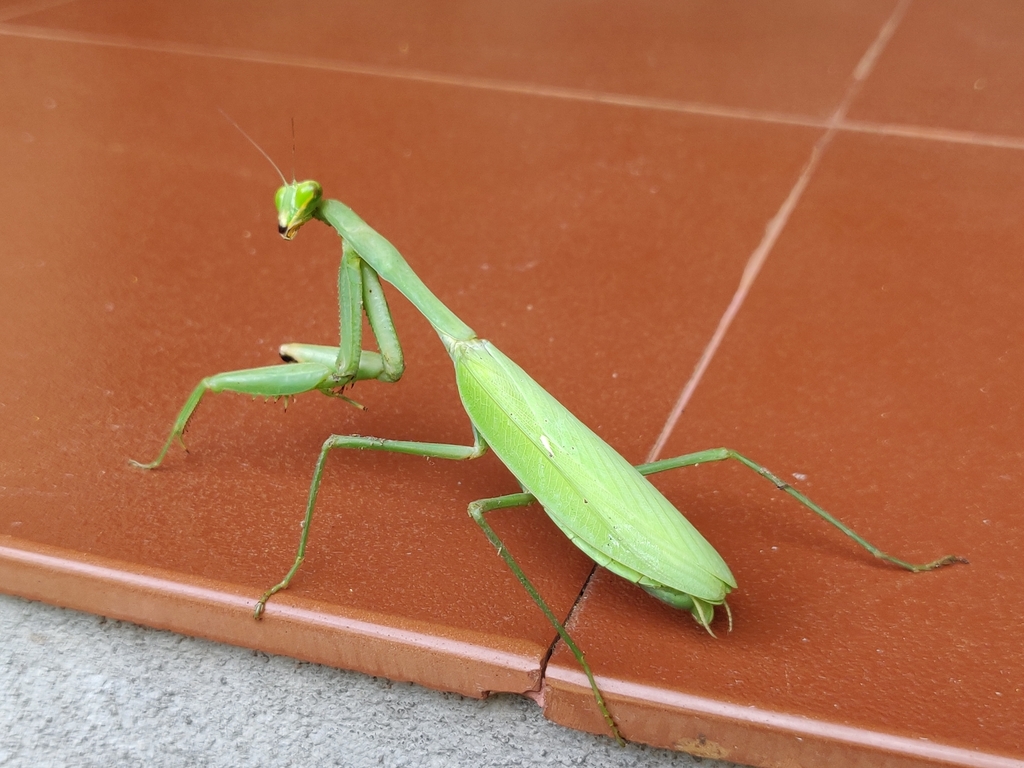
The Giant Asian Mantis is one of the largest and most impressive mantis species commonly kept in the hobby, with females reaching up to 4 inches (10cm) in length. Native to Southeast Asia including India, Sri Lanka, Nepal, China, Thailand, and Java, these robust predators display vibrant green coloration, though yellow, brown, and even pinkish varieties occur. They can actually change color within days based on environmental conditions. Unlike many mantis species that ambush prey, Giant Asian Mantises are active hunters that will pursue and tackle prey up to half their own size.

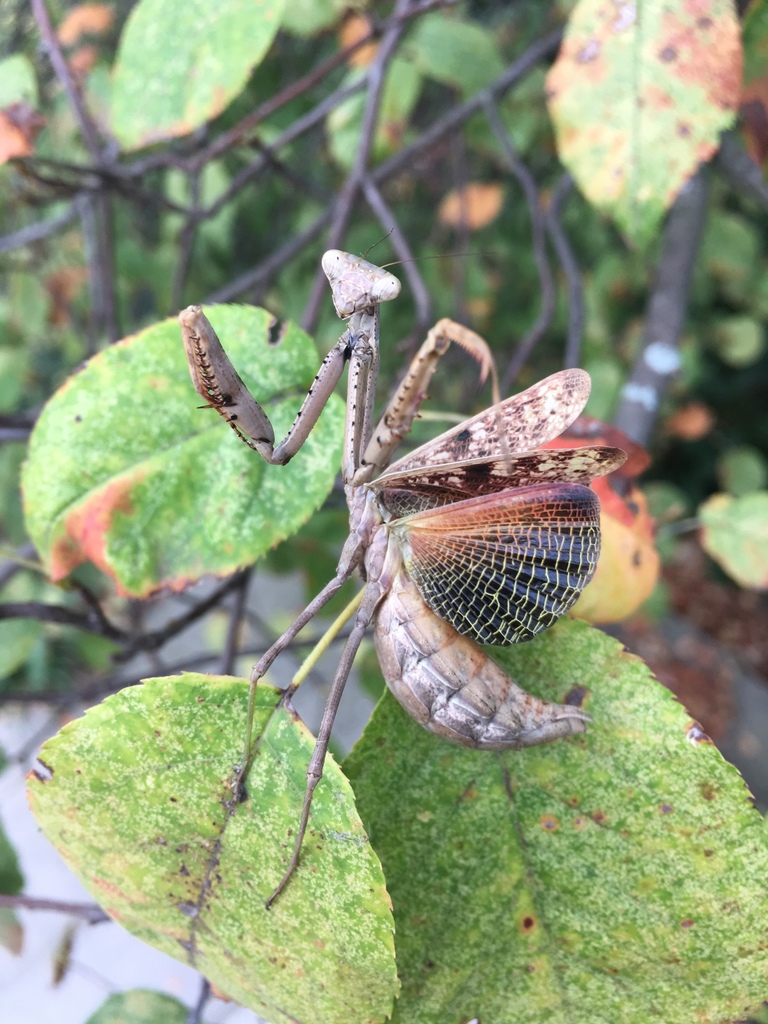
These mantises are known for their bold, fearless personalities and tolerance for handling, making them excellent pets for beginners. They're not easily stressed by human activity or noise, and will readily climb onto an extended hand. When threatened, they create an impressive defensive display by spreading their wings and rearing up, though they're generally docile with their keepers. Their large size, combined with their hardy nature and relatively simple care requirements, has made them one of the most popular mantis species in the pet trade.

Buyers are attracted to this species for several reasons: their impressive size, ease of care, interactive behavior, and voracious appetite that makes feeding time fascinating to watch. They're also known for their curious nature and will often observe their surroundings and keepers with apparent interest. With proper care, these magnificent predators can live 9-12 months, with females typically outliving males.

Care requirements

Temperature
68-86°F (optimal 75-80°F)°F
Humidity
40-65% (too high can be fatal)%
Enclosure
Well-ventilated terrarium or mesh cage with branches and climbing surfaces
Size
Minimum 3x mantis length in height, 2x in width (9+ inches tall for adults)
Substrate
Paper towels, coconut coir, or bark chips to absorb excess moisture
Diet
L1-L2: fruit flies (D. melanogaster/hydei), L3-L5: house flies and small roaches, L6-Adult: blue bottle flies, locusts, roaches, moths. Feed every 2-3 days for nymphs, every 3-4 days for adults
Water
Light misting once daily with filtered/RO water (never tap water). Avoid spraying directly on mantis
Important notes
Very sensitive to high humidity - ensure excellent ventilation. Never feed crickets (carry parasites). Watch for overfeeding - swollen abdomen means skip feeding. Need mesh or textured lid for molting grip. Can deliver painful bite if threatened.

Did you know?

They can jump twice their body length and change color in just 1-2 days
Females can produce 5-8 egg cases (oothecae) with up to 200 nymphs per case
Known to successfully hunt dangerous prey like Asian giant hornets in the wild

Common questions

Can I keep multiple Giant Asian Mantises together?
No, they're highly cannibalistic and should be housed individually after L3-L4 stage. Even well-fed individuals will attack cage mates.
Why is my mantis hanging upside down and not eating?
It's preparing to molt. Stop feeding and maintain proper humidity. Don't disturb it for 24 hours after molting while the new exoskeleton hardens.
What's the difference between males and females?
Females are larger (4 inches vs 3 inches), bulkier, and have 6 abdominal segments. Males are slimmer with 8 segments and proportionally longer wings.
Can they eat prey other than insects?
While adults can technically handle pinkie mice, stick to appropriate insects for their health. Avoid bees, wasps, or any insects that might have encountered pesticides.

Related species