Dead Leaf Mantis

Dead Leaf Mantis

Deroplatys lobata
$35
Price
Up to 1 year with proper care
Lifespan
Intermediate
Difficulty
Check availability & prices
In stock at 1 verified breeder

About this species

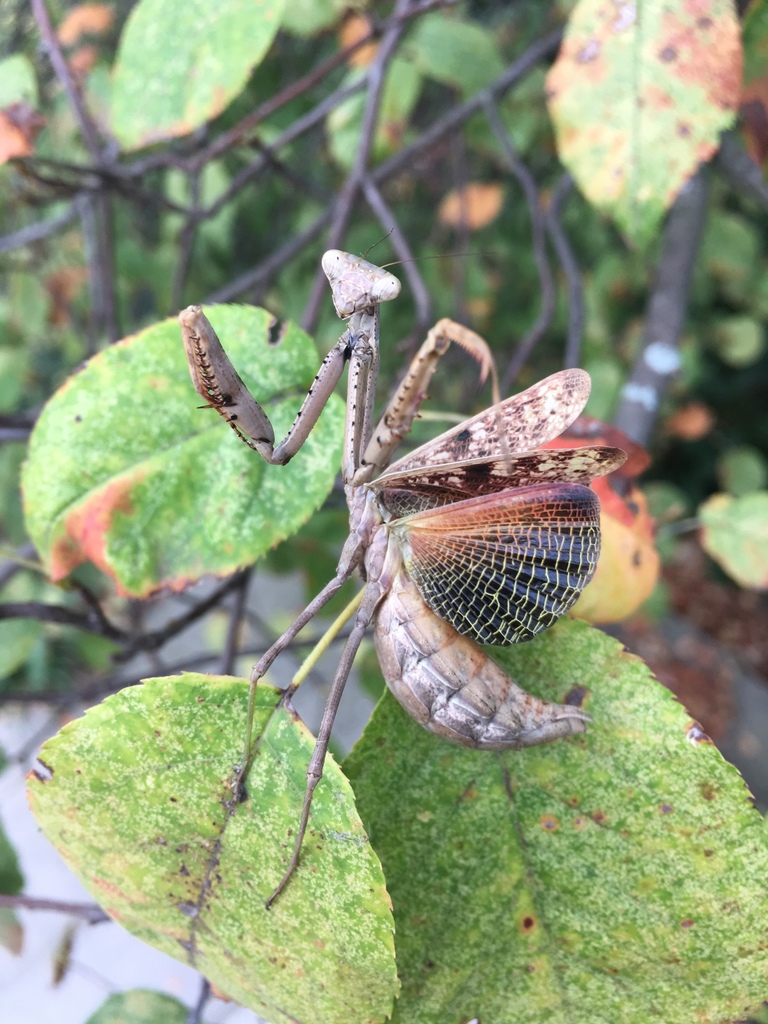
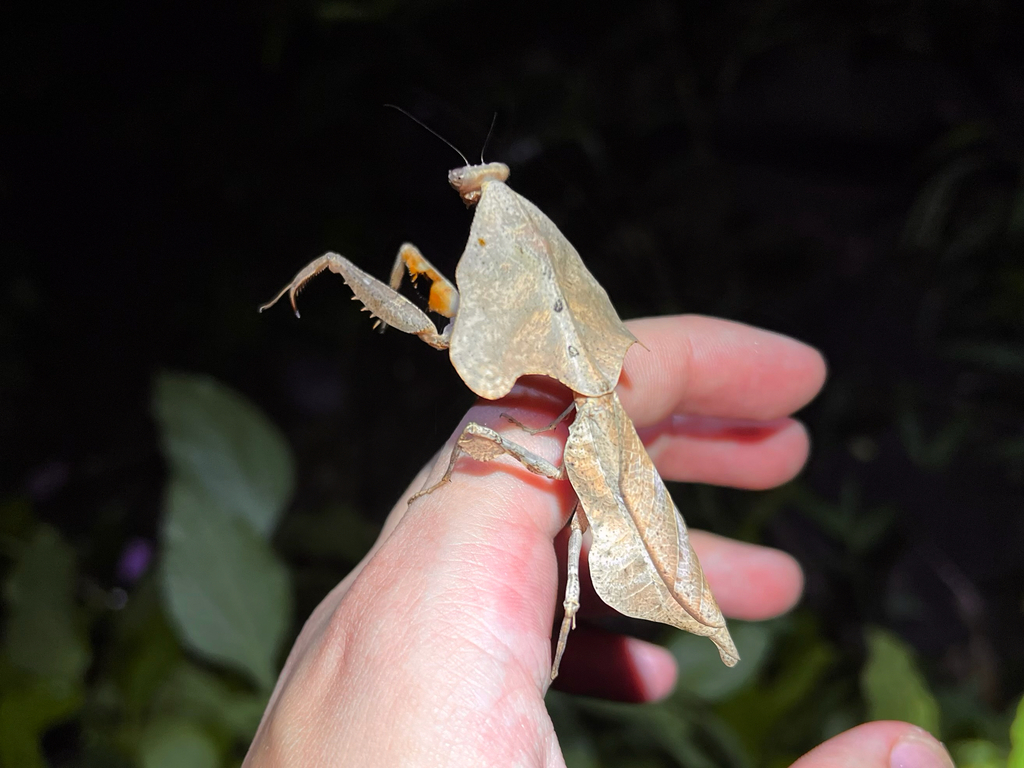
The Dead Leaf Mantis is a remarkable species from Southeast Asia that has evolved to perfectly mimic dead, dried leaves. Native to Thailand, Java, Borneo, Indonesia, Sumatra, and the Malay Peninsula, these mantids inhabit tropical rainforest floors where they blend seamlessly among fallen foliage. Their brown coloration ranges from dark gray to light mottled gray, often with a pinkish flush, and features a distinctive broad, ripped-looking prothorax that enhances their leaf-like appearance. Females grow to 65-70mm while males reach about 45mm in length.

People are drawn to these mantids for their incredible camouflage abilities and unique defensive behaviors. When threatened, nymphs will 'play dead' by dropping to the ground with legs folded, while adults display striking wing patterns with eyespots and zebra-striped forelegs to startle predators. Their relatively calm temperament and fascinating appearance make them highly sought-after in the exotic pet trade, though their specific care requirements and breeding challenges place them in the intermediate difficulty category.

Care requirements

Temperature
75-86 (day), 64-75 (night)°F
Humidity
50-80%
Enclosure
Well-ventilated glass terrarium or mesh enclosure with plenty of branches and twigs
Size
Minimum 3x mantis length in height, 2x in width (9 inches tall for adult female)
Substrate
Paper towel with optional sphagnum moss for humidity retention
Diet
Nymphs: fruit flies (D. melanogaster, then D. hydei). Adults: flying insects preferred - moths, blue bottle flies, house flies. Feed every 2-3 days, amount they'll eat in one sitting
Water
Mist enclosure walls daily for drinking droplets and humidity maintenance
Important notes
Prone to molting difficulties due to large prothorax shield - maintain proper humidity during molts. Can be kept communally until L3-L4 with adequate food. Males mature faster (L7) than females (L9), making breeding timing challenging. Remove smooth surfaces as they need rough gripping points for molting

Did you know?

Females guard their egg cases by sitting on them until hatching - rare parental care behavior in mantids
Can slightly adjust their coloration over molts to better match surrounding leaf litter
Their 'death feigning' defense can last several minutes, remaining motionless even when touched

Common questions

Can Dead Leaf Mantises be kept together?
Young nymphs (L1-L3) can be housed communally with adequate space and food, but should be separated by L4 to prevent cannibalism
Why did my mantis drop to the ground and stop moving?
This is their natural 'playing dead' defense behavior when startled - they'll resume normal activity after feeling safe
What's the biggest challenge in keeping this species?
Molting can be difficult due to their large shield, requiring consistent humidity and proper grip surfaces
How often should I feed my Dead Leaf Mantis?
Feed every 2-3 days, offering as much as they'll eat in one sitting. They'll stop eating 1-2 days before molting

Related species