Cat Eye Mantis

Cat Eye Mantis

Heterochaeta orientalis
$30-45
Price
Up to 24 months
Lifespan
Advanced (due to size requirements and molting space needs)
Difficulty
Check availability & prices
View suppliers & Amazon options

About this species

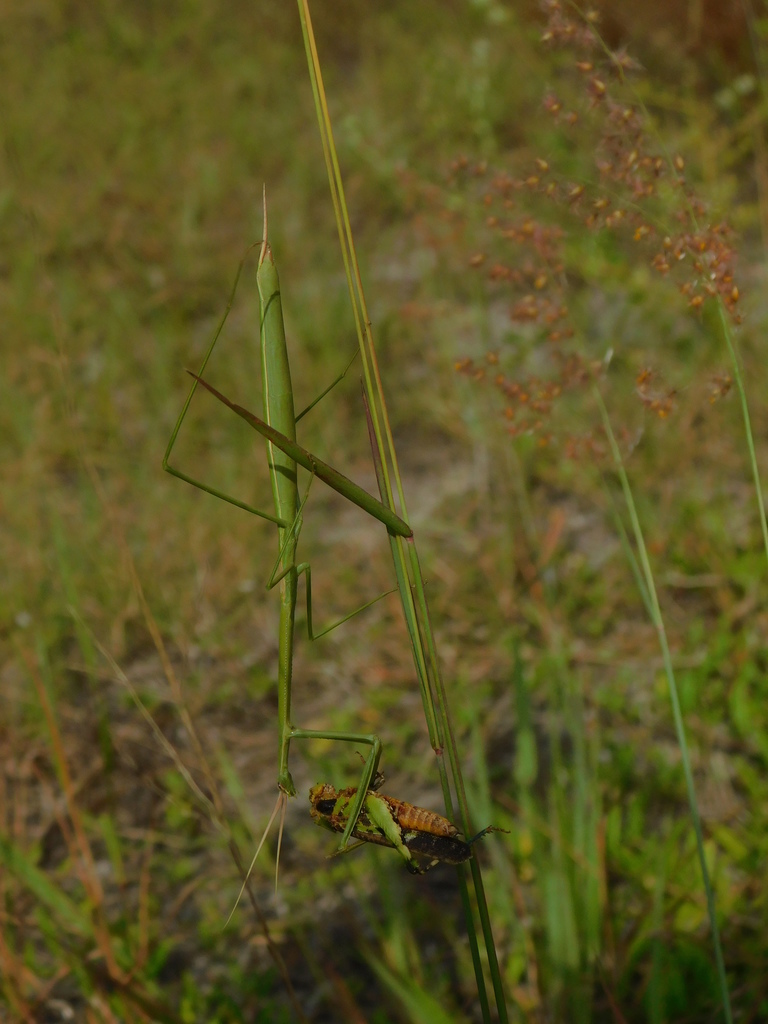
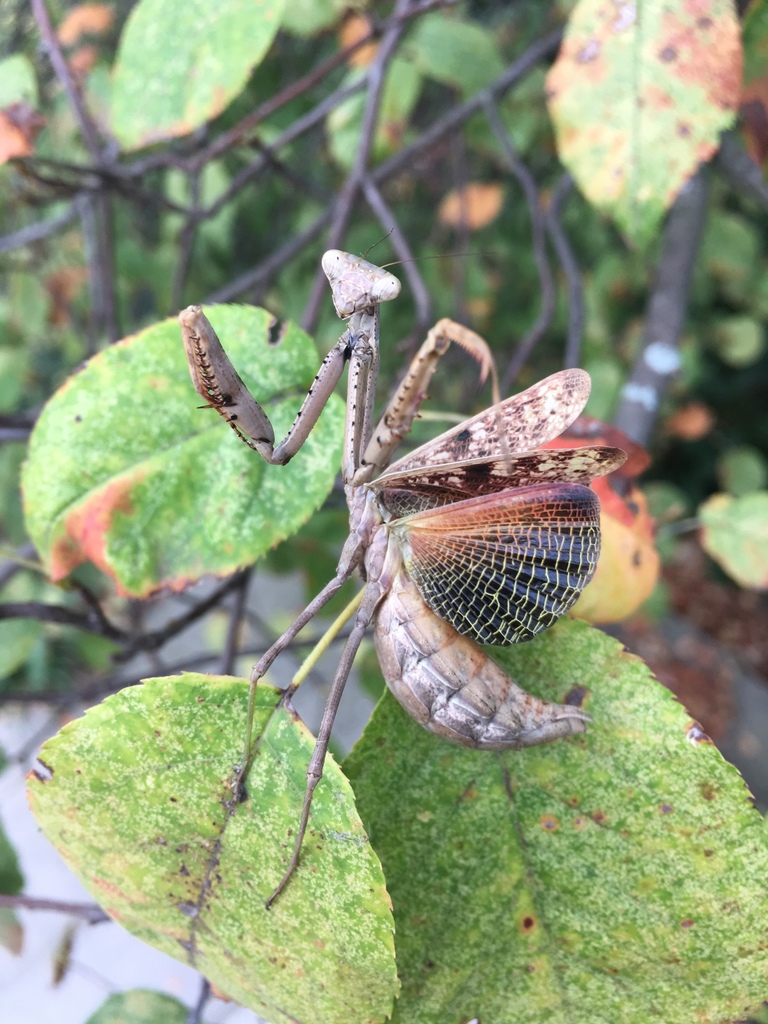
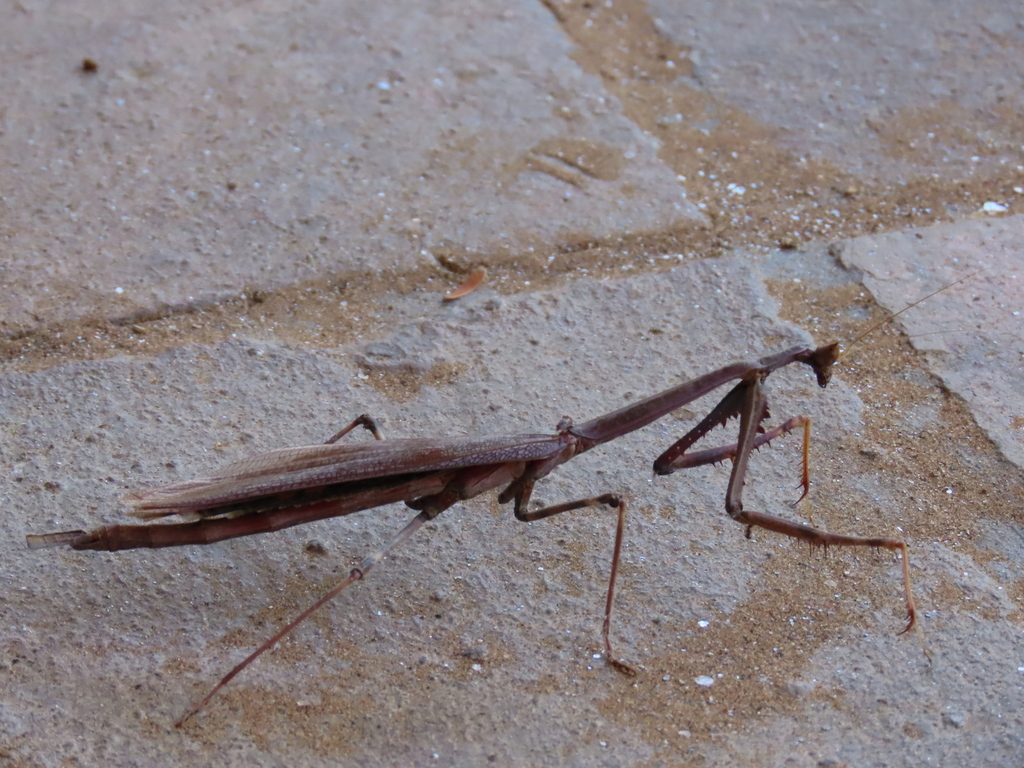
The Cat Eye Mantis is one of the largest mantis species in captivity, growing up to 6 inches long as adults. Named for their distinctive pointed, angular eyes that resemble cat ears, these African stick mimics have conical protrusions on top of both eyes that are visible even from the hatchling stage. They typically display medium to dark brown coloration with occasional green tinges, perfectly resembling twigs and branches in their natural habitat.

Native to central Africa (particularly Tanzania), these gentle giants are surprisingly docile despite their impressive size. They're known for making unusual eye contact with their keepers and displaying a spectacular threat pose when startled, revealing navy and white warning colors on their inner forelegs. When extremely threatened, adults will spread their amber and red wings in an impressive deimatic display.

What makes Cat Eye Mantises particularly appealing to hobbyists is their communal nature — they're one of the most tolerant mantis species toward their own kind, rarely cannibalizing when given adequate space and food. Their slow growth rate (living up to 24 months) and relatively hardy nature make them an interesting long-term pet project for mantis enthusiasts willing to accommodate their large size requirements.

Care requirements

Temperature
60-80 (some sources say up to 85-95)°F
Humidity
30-60 (40% ideal)%
Enclosure
Well-ventilated mesh or screen cage with plenty of climbing branches/sticks
Size
3x mantis length in width, 6x mantis length in height (45x30x30cm for adults)
Substrate
Optional - coco coir, paper towel, or sphagnum moss if desired
Diet
Flying insects preferred throughout life. L1-L3: fruit flies (6-16 twice weekly), L4-L6: 4 flies 3x weekly, Adults: 6 flies 3x weekly (double for mated females). Blue bottle flies ideal for adults
Water
Light misting once daily or every other day for drinking. Use spring/distilled/RO water, not tap water
Important notes
Extremely prone to mismolting without proper grip surfaces and space. Need mesh on all sides of enclosure. Very light eaters compared to size. Provide many thin branches (birch ideal) for perching. Can be kept communally with adequate space and food

Did you know?

They're affectionately called 'Kitties' by some keepers due to their cat-like eyes and tendency to make direct eye contact
Despite being one of the largest mantis species, they prefer relatively small flying prey throughout their entire lives
Females can lay up to 8 oothecae after mating, with each ooth containing up to 50-60 nymphs

Common questions

Can I keep multiple Cat Eye Mantises together?
Yes, they're one of the most communal mantis species and rarely cannibalize when given generous space and regular feeding
Do they need special heating?
No, room temperature (60-80°F) is perfect. Avoid supplemental heating unless your home drops below 60°F
Why did my mantis fall during molting?
This species is very prone to mismolting due to their large size. Ensure mesh grip on all enclosure sides and adequate vertical space
Can I feed them crickets or roaches?
While possible, they strongly prefer flying insects. Ground prey often goes uneaten as these mantises perch high on branches

Related species