About this species
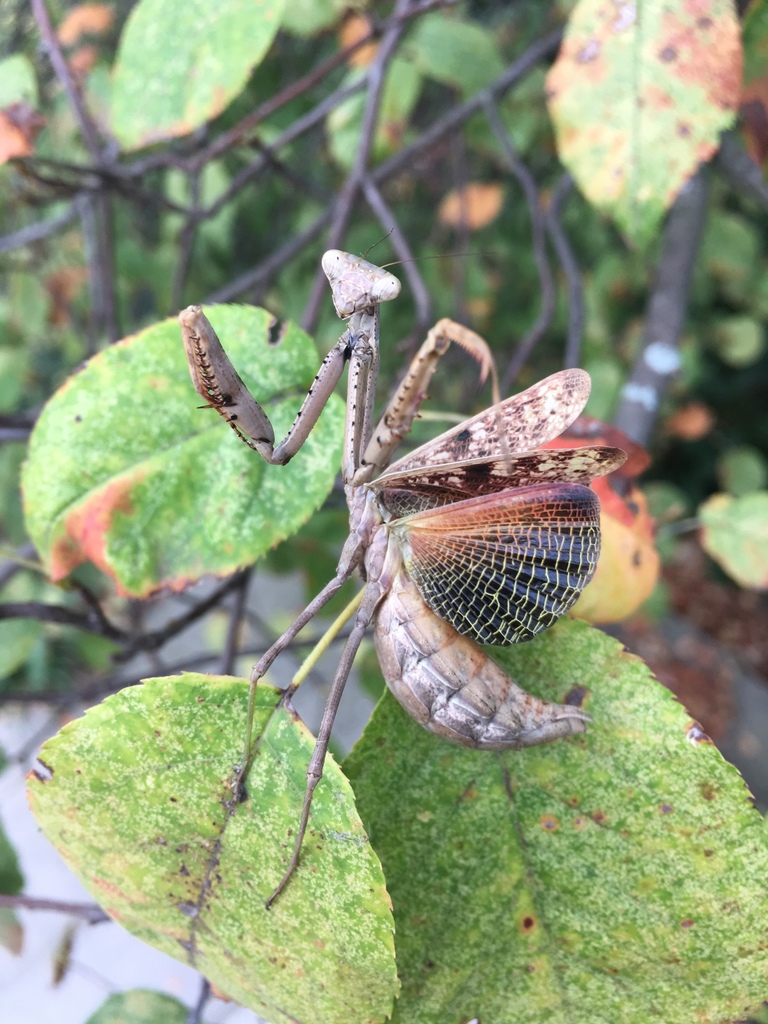
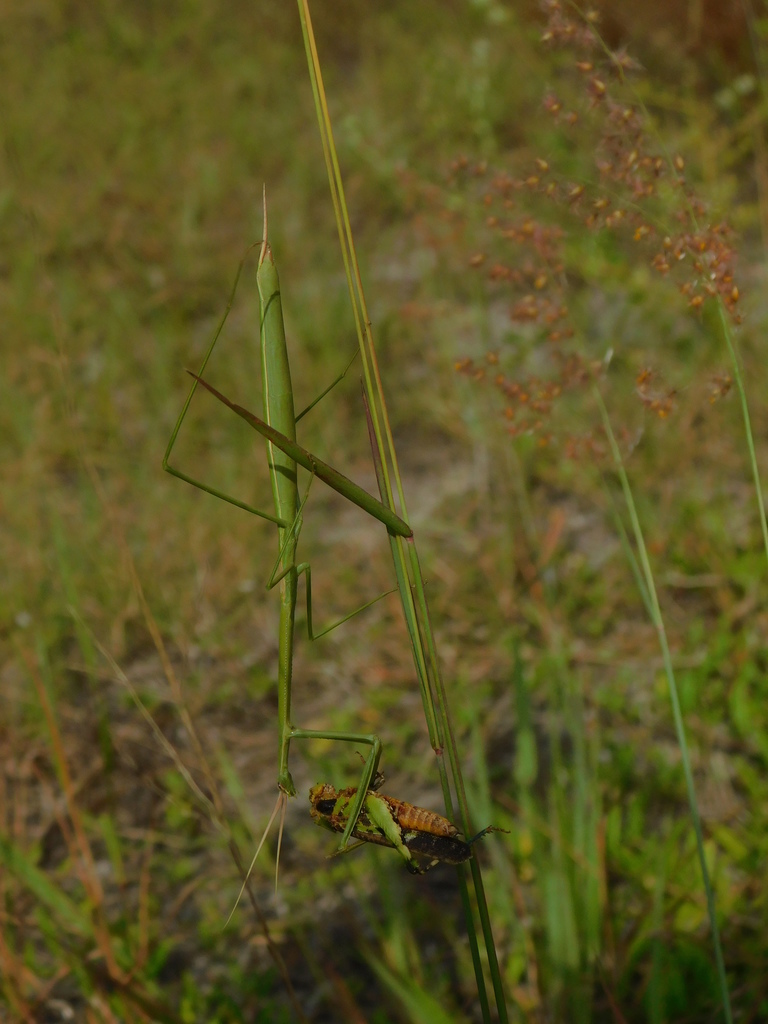
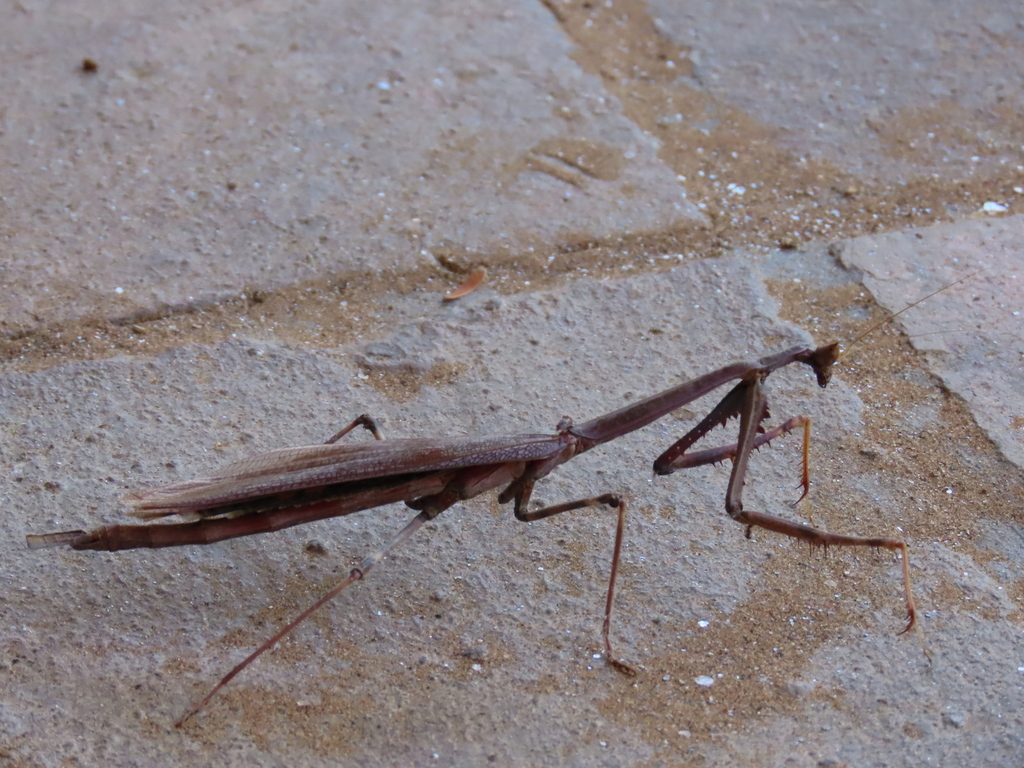
The Carolina Mantis is a medium-sized praying mantis native to the southeastern United States, particularly the Carolinas where it gets its name. It's actually the state insect of South Carolina! These mantises are highly variable in color, ranging from brown to green with various patterns and spots, which helps them blend into their environment. Adults typically reach 2-2.5 inches in length, with females being larger and bulkier than males. Males have long, fully functional wings and can fly, while females have shorter wings that cover only about 3/4 of their abdomen and cannot fly. They're popular pets due to their relatively easy care requirements, fascinating hunting behavior, and beneficial role as garden pest controllers. Each mantis can consume hundreds of insects per season, making them excellent natural pest control. They're known for their characteristic 'praying' posture, holding their spiked forelegs folded in front of them until prey comes within striking distance.
Did you know?
Carolina mantises can detect ultrasonic sounds used by bats for echolocation and will change their flight pattern or land to avoid being caught
Despite popular belief, sexual cannibalism has only been observed in laboratory settings - it's unknown if it happens as frequently in nature
They're so sedentary that they may spend their entire life on a single tree or in one meadow if there's adequate food supply
Common questions
Can I keep multiple Carolina mantises together?
No, they are cannibalistic and must be housed individually to prevent them from eating each other, especially as they grow at different rates.
How often do they molt?
Juveniles molt every 2-3 weeks, subadults every 3-4 weeks. They typically refuse food 1-2 days before molting.
Can I release them in my garden?
Yes, since they're native to the US, they can be safely released in most areas and will help control garden pests.
Why won't my mantis eat?
They may be preparing to molt, already full, stressed, or the temperature may be too low. Check conditions and wait a day or two before offering food again.