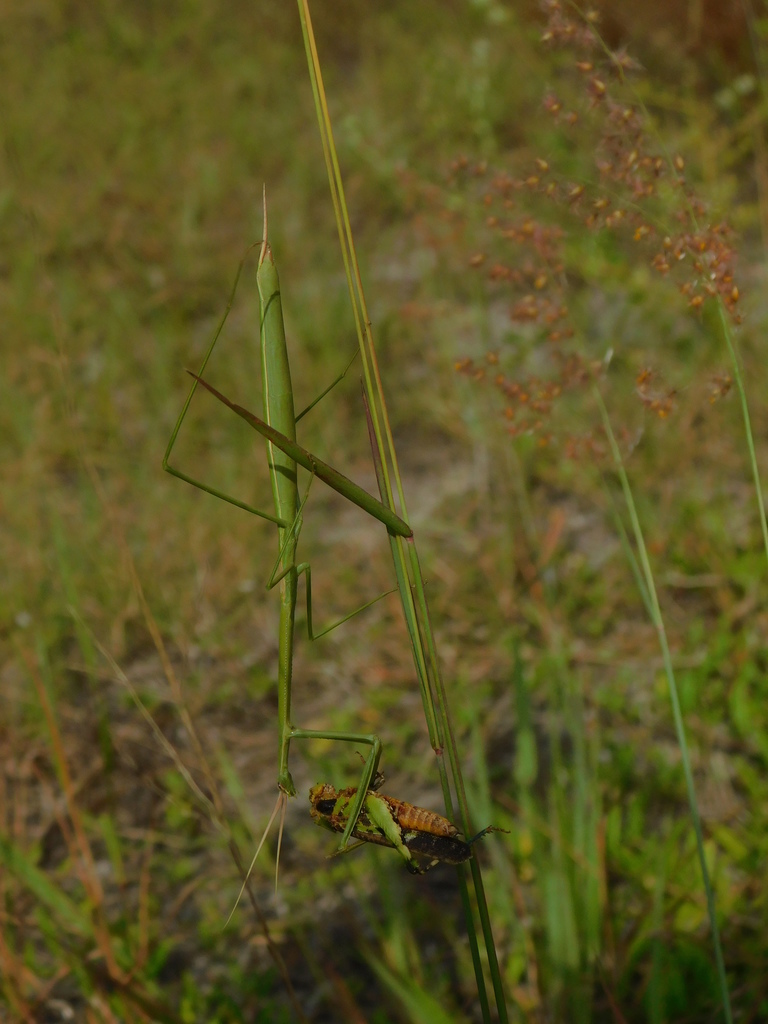
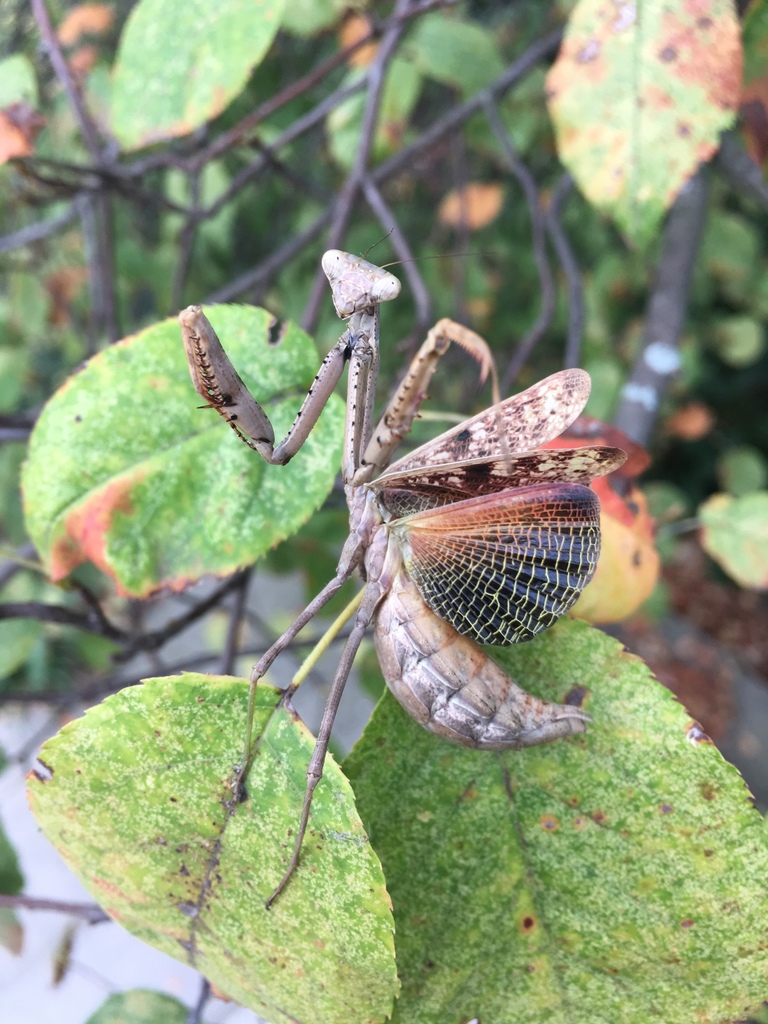
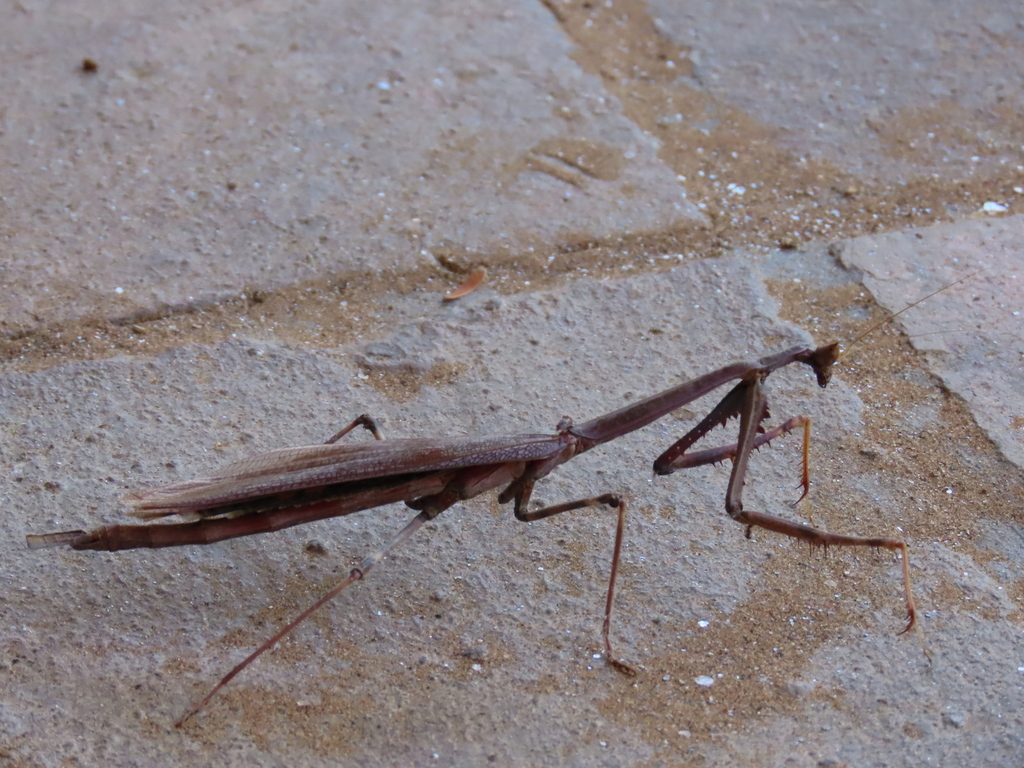
Sphodromantis sp. Aurea
About this species
The Blue Flash Mantis is a stunning African giant mantis species native to the Congo region, prized for its distinctive blue-black markings on the inner femur (upper foreleg). These large mantids reach 3-4 inches as adults, with females being notably bulkier than males. What sets them apart from other Sphodromantis species is their striking blue flash coloration that appears most vividly in green morphs, though brown morphs may show darker, more subdued markings. These mantises are fierce, active hunters known for their aggressive feeding behavior and willingness to tackle large prey. Their combination of impressive size, beautiful coloration, and hardy nature makes them one of the most popular mantis species in the pet trade. Hobbyists particularly value them for their friendly temperament toward humans and their relatively easy care requirements, making them excellent pets for both beginners and experienced keepers.
Did you know?
The blue flash marking varies by individual - green morphs show vivid blue while brown morphs may have black or no flash at all
They're so voracious they can tackle prey as large as themselves, including pinkie mice (though this isn't recommended)
Unlike many mantis species, they actively chase down prey rather than waiting in ambush
Common questions
Why doesn't my Blue Flash Mantis have blue markings?
Not all individuals show the blue flash equally. Brown morphs often have black or no markings, while green morphs display the most vivid blue. The marking also varies between individuals.
Can I keep multiple Blue Flash Mantises together?
No, they're very aggressive and cannibalistic. Only L1-L2 nymphs can be housed communally with plenty of food, but losses will still occur. Always house older nymphs and adults individually.
How often should I feed my adult Blue Flash Mantis?
Adults should eat 4-5 blue bottle flies weekly, or equivalent-sized prey every 2-3 days. If the abdomen looks very round, skip feeding for a few days to prevent overfeeding.
What's the difference between Blue Flash and other African mantises?
Blue Flash Mantises are distinguished by blue-black spots on the inner femur, come specifically from the Congo region, and tend to be friendlier than other Sphodromantis species.