Bark Mantis

Bark Mantis

Gonypeta sp.
$10-20
Price
6-12 months depending on temperature
Lifespan
Intermediate
Difficulty
Check availability & prices
View suppliers & Amazon options

About this species

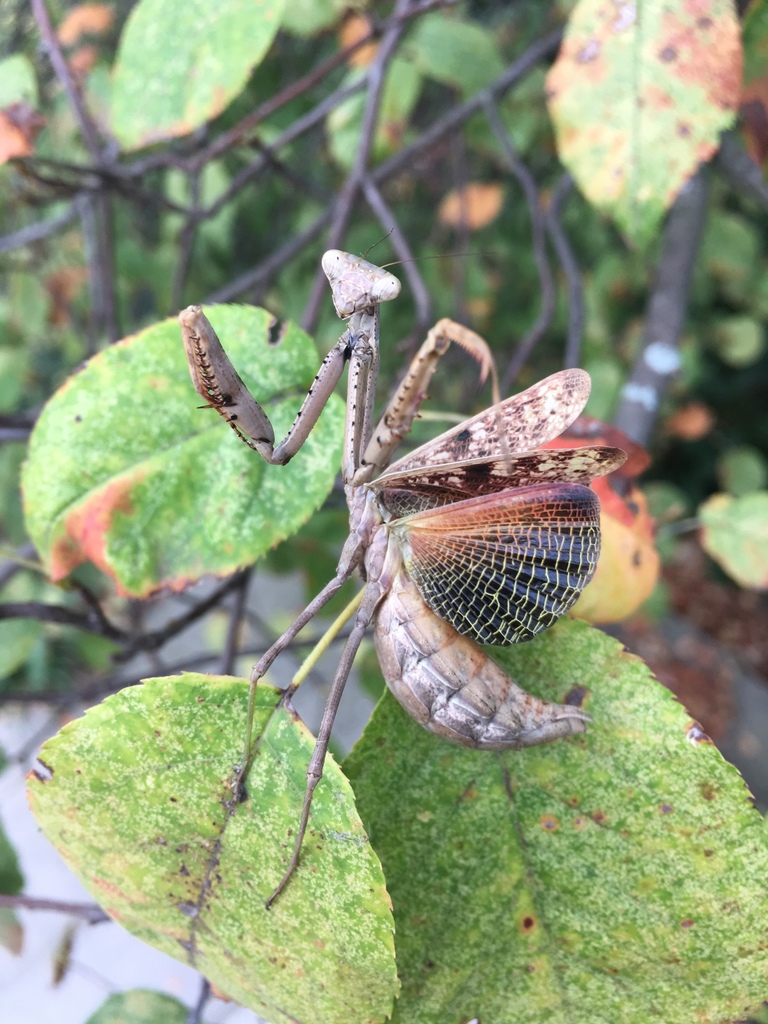
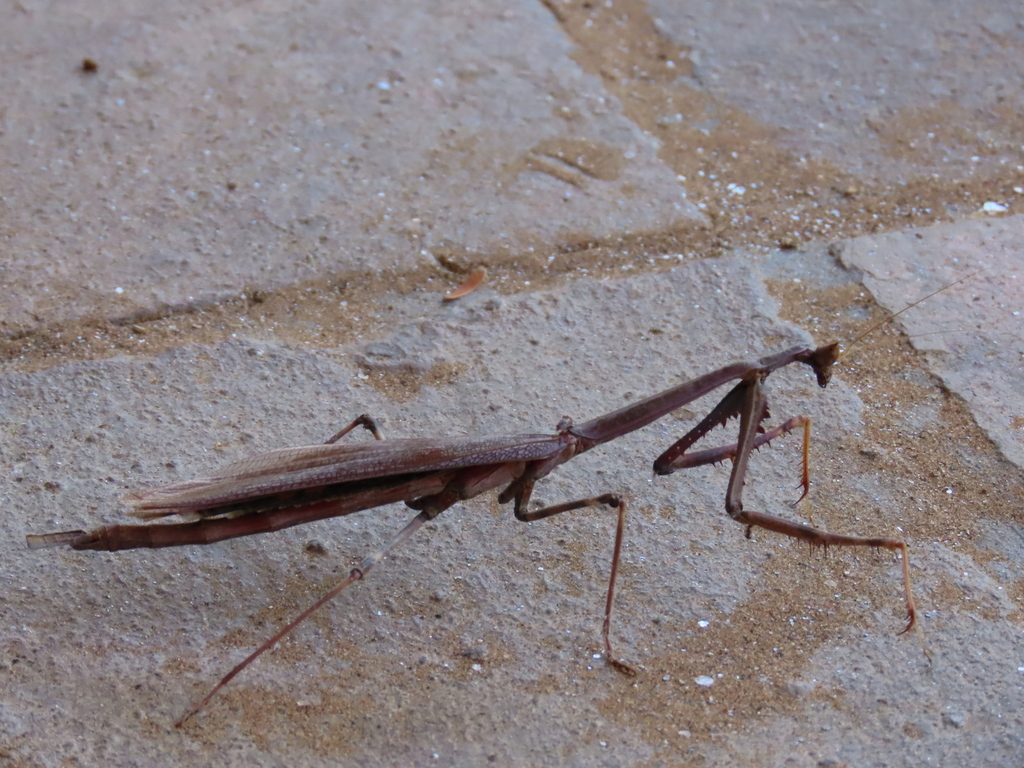
The Bark Mantis (Gonypeta sp.) is an Asian genus of praying mantids known for their exceptional bark-mimicking camouflage. These cryptic mantises blend seamlessly with tree bark, featuring mottled brown and gray coloration that makes them nearly invisible when pressed against tree trunks. Native to tropical and subtropical regions of Asia, they belong to the subfamily Gonypetinae and are ambush predators that rely on their camouflage to surprise unsuspecting prey.

Bark mantises are medium-sized mantids that spend most of their time motionless on tree trunks and branches. Their flattened bodies help them press close to bark surfaces, minimizing shadows that might give away their position. Unlike more active hunting mantises, bark mantises are patient predators that wait for prey to come within striking distance. This sedentary lifestyle and remarkable camouflage make them fascinating pets for mantis enthusiasts.

People buy bark mantises for their unique appearance and interesting behavior. While not as colorful as flower mantises, their cryptic beauty and the challenge of spotting them in their enclosure creates an engaging keeping experience. They're relatively calm mantises that don't require as much space as more active species, making them suitable for keepers with limited room.

Care requirements

Temperature
75-85°F
Humidity
60-70%
Enclosure
Vertical enclosure with rough bark pieces or cork bark backgrounds for climbing
Size
At least 3x mantis length in height, 2x mantis length in width
Substrate
Coconut fiber or sphagnum moss to maintain humidity
Diet
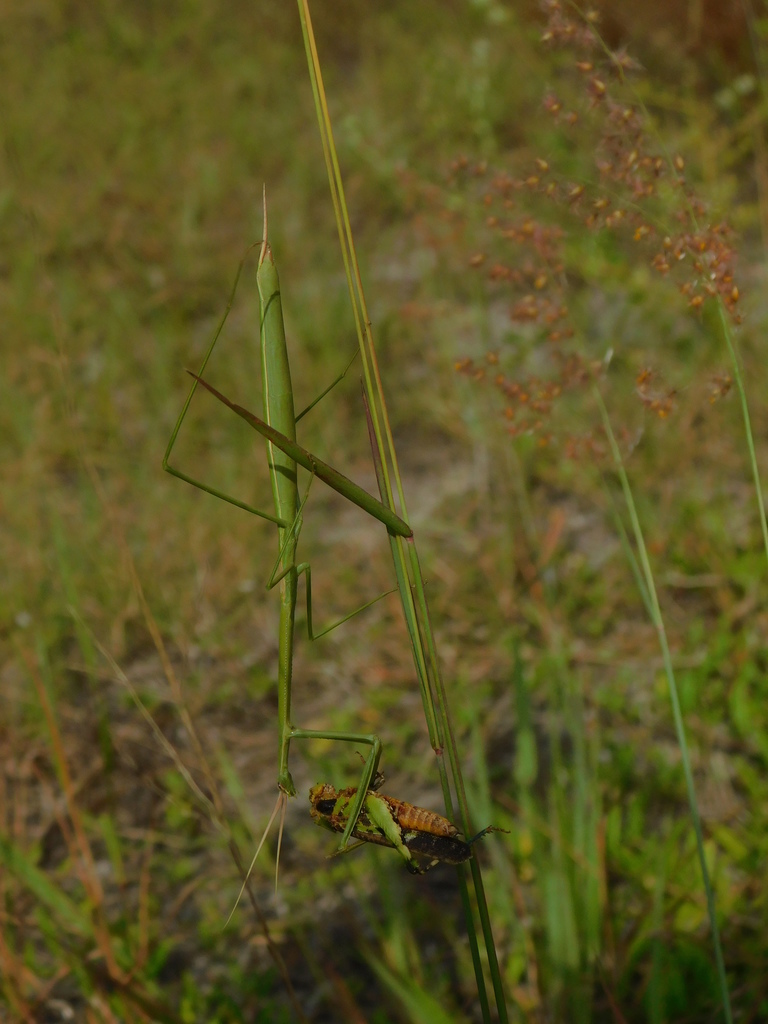
L1-L3: D. melanogaster fruit flies; L4-L5: D. hydei fruit flies; L6-adult: house flies, moths, appropriate-sized flying insects. Feed every 2-3 days
Water
Light misting once daily, twice daily for mesh enclosures. Use dechlorinated or distilled water only
Important notes
Requires vertical bark surfaces for molting and perching. Very cryptic - may be hard to spot in enclosure. Sensitive to excessive moisture on body when young. Needs good ventilation to prevent fungal issues

Did you know?

Bark mantises can remain motionless for hours or even days while waiting for prey
Their camouflage is so effective that even experienced keepers sometimes struggle to find them in their enclosures
Unlike many mantis species, bark mantises prefer to hunt flying prey rather than ground-dwelling insects

Common questions

Why can't I find my bark mantis in its enclosure?
Their camouflage is extremely effective. Check carefully on all bark surfaces, especially where the bark meets the enclosure corners. They often remain completely motionless during the day.
Can bark mantises be kept communally?
No, like most mantis species, they are cannibalistic and should be housed individually after the second or third molt.
Do bark mantises need special lighting?
No special lighting required, but they do well with a natural day/night cycle. Avoid direct sunlight which can overheat the enclosure.
What's the best way to set up their enclosure?
Provide vertical cork bark pieces against the back and sides, leaving open space in front. This mimics their natural tree trunk habitat and gives them proper surfaces for molting.

Related species